Suicide Risks and Resilience Factors in South African Children and Youth
1Lillian Nkhwashu*; 2Jace Pillay
1Department of Education (Limpopo Province), South Africa
2University of Johannesburg, Faculty of Education, GNA 119, Robert Sobukwe Building, Soweto Campus, Soweto, South Africa
Received Date: October 06, 2025; Accepted Date: October 14, 2025; Published Date: December 05, 2025;
*Corresponding author: Lillian Nkhwashu, Department of Education (Limpopo Province), South Africa; Phone number: 0721883019; Orcid ID: https://orcid.org/0000-0003-1961-5219 (Lillian Sindisiwe Nkhwashu); Email: lilnkhwashu@gmail.com
Citation: RIBEIRO, Larissa P.; KIRCHHOFF, Daniel de C.; PEREIRA, Lorenza; BARROS,
Kimberly T.; KIRCHHOFF, Dierk F.B. (2025) T Periradicular infiltration as nonoperative therapy of Lumbar pain. Jr Neuro Psycho and Brain Res: JNPBR-203
DOI: 10.37722/APHCTM.2025102
Abstract
In this qualitative study suicidal behaviours in children and youth in the Ehlanzeni education district of Mpumalanga in South Africa were explored by identifying suicide risks and determining resilience factors which protected them against these. A total of 44 participants took part, 20 of whom were individually interviewed, 12 who participated in the drawing exercise, and 12 who participated in two focus group discussions. These participants represented both genders, and were between 9 and 17 years old. Individual interviews, focus groups interviews and drawings of the participants were analysed and reported using qualitative strategies. Suicide risks identified in this study were child abuse, child labour, sexual abuse, bereavement, infection with HIV/AIDs, loneliness and rejection, violence and crime, and bullying. Resilience factors that prevented suicide and other mental health challenges were social support in the form of family and friends, religious affiliations, the use of social media platforms, and protective family and schooling environments. Based on the findings, the authors adopted Bronfenbrenner’s bioecological systems theory to provide supportive interventions for children and youth contemplating suicide.
Keywords: Children; Community-based intervention; Resilience factors; Risk factors; Suicide attempts; Suicide ideation; Suicide plans; Youth

Watch the Article in Motion
1-Minute Overview
Journal Information:
ISSN: 2641-7049
Frequency: Continuous
Format: PDF and HTML
Versions: Online (Open Access)
Language: English
Impact Factor: 3.91
Introduction
Suicide affects young and old alike and has recently become a global concern (Lovero, et al., 2023). A conscious act of self-induced annihilation, suicide can best be explained as an individual who defines an issue for which the act is perceived as the best solution. Parasuicide is an act of attempted suicide which is not completed successfully and not fatal (Shoib & Kim, 2019). Suicide can be regarded as one of the risk factors affecting children and youth globally. Suicide ideation can range from passive ideation, that is, thoughts of wanting to die, to active ideation, which is wanting to kill oneself, finally resulting in suicidal behaviours which include self-injuries with the intention of dying (Naguy, et al., 2020) which might progress to the actual suicide (Cha et al., 2018). It is estimated that by 2012 about 800 000 people committed suicide annually in countries around the world (Fleischmann, 2016).
Most recorded suicides were found to be related to psychiatric diseases, depression, psychosis, and substance abuse. These factors are regarded as the leading risk factors for mental health disorders (Bachmann, 2018). Additionally, anxiety, personality and eating disorders, and post-traumatic stress disorders were also identified. In addition, adverse childhood experiences have been implicated in a range of negative health outcomes during childhood, including mental disorders and suicide. Based on the above, it is evident that children and youth who portray signs of suicide ideation or attempt suicide might be suffering from a variety of mental disorders (Gili et al., 2019). If the listed signs are not attended to, the affected individuals might resort to suicide. Statistics on suicide in adolescents and youth in low- and middle-income countries were noted in studies between 2014 and 2020 (Seidu et al., 2020). Among the findings, it was reported that in Brazil 72,3% of transgender youth suffered suicidal ideation, and 42,7 % had attempted suicide in 2023 (Chinazzo et al., 2023). In Ghana, however, the statistics were even higher for suicide ideation, suicide planning and suicide attempts at 18,2%, 22,5% and 22% respectively (Asante et al., 2017). Mozambique, on the other hand, fell slightly below Ghana with 17, 7%, 19, 6% and 18,5% for suicide ideation, suicide plans and suicide attempts respectively (Seidu et al., 2020). Benin and Ethiopia recorded only suicide ideation and suicide attempts, with Benin higher at 23 2% and 28,3% and Ethiopia slightly lower at 22,5% and 16,2% respectively (Amare et al., 2018; Randall et al., 2014). Although Tanzania reported lower suicide ideation at 7% and suicide attempts at 6,3%, these percentages remain cause for concern (Dunlavy et al., 2015). Finally, on average the statistics for suicide ideation and suicide attempts in low- and middle-income countries were at 16,9% and 17,0% respectively (Uddin et al., 2019).
In a study conducted on adolescents aged 10-18 in South Africa, the results indicated that 3,2% attempted suicide, 5,8% planned suicide, and 7,5% reported suicide ideation (Cluver et al., 2015). The study found that preventing and mitigating childhood adversities have the potential to reduce suicidality and that effective health services could buffer against suicidality (Cluver et al., 2015). A study conducted in Mozambique assessed suicidal behaviours among in-school adolescents, finding that those adolescents who went hungry were likely to show signs of suicide ideation (Seidu et al., 2020). This was affirmed by Steck et al. (2018), who alluded to socioeconomic and demographic factors which were associated with suicide attempts, especially in rural areas, for example, living with one parent. This was confirmed by Musyimi et al. (2020), who said dysfunctional families, unresolved problems, and interpersonal relationships were the source of suicidal activities. Those who were physically attacked and sustained injuries, were at high risk of planning suicide, and those who were bullied were more likely to display suicide attempts (Seidu et al., 2020).
While the factors discussed above are regarded as important, other factors include those children and youth who experienced high levels of anxiety and those who experienced loneliness most of the time (Pandey et al., 2019). Ziaei et al. (2017) regard worrying, failure to do schoolwork, and the use of drugs and alcohol as causes of attempted suicide. Although studies differ with regards to gender differences in suicide attempts, Pandey et al. (2019) regarded girls as being at higher risk for suicide ideation and suicide attempts than boys, with their study indicating this might be due to social and cultural contexts. In their study, Steck et al. (2018) cited family conflicts, maltreatment, romantic relationships, and problems in school as causes of suicide ideation and attempts. Suicide ideation, plans and attempts also include self-harm which, according to Quarshie et al. (2020), is common in sub-Saharan countries with South Africa reporting high estimates.
Suicide in South African context is influenced by a variety of cultural and societal challenges. For example, most girls in South Africa are expected to perform a number of parental roles which include among others taking care of siblings at home, doing household chores, and expected to also do their school work which exacerbate a lot of pressure which might result in some of them not copying. These challenges might lead them to think life is not worth living and resulted in them having suicidal thoughts and attempts. On the other hand, religious influences prevents suicide risks with the belief that the victims of suicide will cast a spell in the entire family, and the will not go to heaven but instead they will die internally in hell. Based on the premise above the current study explored suicidal behaviours amongst children and youth in the Ehlanzeni education district in Mpumalanga, South Africa. The study also explored the risks and resilience factors that contributed to suicide in children and youth.
Theoretical Perspective
The researchers chose Bronfenbrenner’s bioecological systems theory (Bronfenbrenner, 1979) as a supporting theory to better understand suicide as a mental health challenge in children and youth. The theory regards the environment in which individuals live as having a bearing on how they respond to suicide challenges. The main aim of the study was to initiate intervention programmes designed to prevent suicide behaviours in children and youth and provide counterstrategies against them. The bioecological theory helped to determine the environments in which these children and youth found themselves and, as suggested by the theory, to initiate intervention strategies that would be community-based.
The micro-, meso-, exo-, macro-, and chronosystems helped to explore the different environments which influence how the participants coped with the challenges they experienced. For example, a family structure where children lived with relatives or foster parents might have posed serious risks to their development. In addition, while the schooling environment could serve as a buffer against adversity, the experience of bullying makes the environment risky rather than protective. Despite risks in the living environments of children, resilience factors in the form of schooling and family environments could serve as buffers, if a set of supportive structures were created to minimize the experience of these risks.
Using the theory of bioecological systems, the macro system was also explored, which are the communities and civic organizations. Finally, the theory supports the promotion of resilience, rather than psychopathology, by ensuring that all structural levels form part of interventions designed to protect affected individuals, which is one of the aims of this research paper.
Methodology
Research design and methodology
Research sample
The researchers used a qualitative research method to explore risk and resilience factors in children and youth. Qualitative research is based on the premise that knowledge and meaning are socially constructed as individuals interact with the world (Scotland, 2012). The qualitative sample comprised of forty-four (44) participants who were purposively selected. The criteria for selection were learners aged 9 to 17, who were in primary and secondary public schools, and who were registered for the 2021 academic year. The participants were divided into three groups, specifically, 20 participants for individual interviews, 12 participants for focus groups interviews, and 12 participants for the drawing exercise. Participants were selected based on the premise that they experienced challenges that exposed them to various risks. Additionally, participants were selected from among those who experienced risks and who also showed resilience. The researchers selected these learners to better understand what made them resilient.
Data collection methods
Data was collected through individual interviews, focus group interviews, and from drawings focusing on risk and resilience factors in relation to suicide. Gender was considered in all data collection methods, and interview sessions took about one hour each. The individual interviews, group interviews and drawing exercises were conducted in a secured space in the schools (classes, laboratory, and computer labs) where participants were able to share their experiences regarding the topic under investigation. Participants were only engaged at times convenient for them, depending on the environment in their particular school. The questions asked were based on the problems participants faced at home and in their schooling environments, how they were supported in those environments, and how they were able to cope and display resilience.
Drawings were created by participants to reflect risks they were exposed to and illustrate how they were able to be resilient against them.
Data analysis
The prolonged engagement technique was used where the researchers first interacted with the participants to gain a better understanding of their behaviour, values, and social relationships in the social context, and to put participants at ease. The researchers used this opportunity to observe various verbal and non-verbal aspects of the setting. Persistent observation was used to identify those features and elements in the three data collection methods, namely, individual interviews, focus groups, and drawings, that were most relevant to the problem. The thematic identification and interpretation of data on risk and resilience were obtained as identified by Javadi and Zarea (2016).
The researchers acquainted themselves with the data before the actual analysis took place. The data was then analysed and different themes emerged. The researchers allocated numbers and codes to each participant and these are fully described in Table 1.
| Type of data | Code | Explanation of codes |
| Learner’s interviews | LII-1 to LII-20 | Learners/participants were given codes referring to the individual/group category to which they belonged, for example, LII2 represents learner individual interview number 2 |
| Learners’ focus groups interviews | LFGA-1 to LFGA -6 LFGB-1 to LFGB-6 | LFGA-1 to LFGA= 6 Learner focus group A number 1 through to 6 LFGB-1 to LFGB= 6 Learner focus group B number 1 through to 6 |
| Participants’ individual drawings | PA-1 to PA-6 PB-1 to PB-6 | PA-1=PA-1 to PA-6 = picture A 1 through to picture A 6 (risks) PB-2= PB-1 to PB-6 = picture B1 through to picture B6 (resilience) |
Table 1: The Coding Process
The Quirkos data analysis software was downloaded by the researchers after data transcription was completed. This software was selected because it was quick and facilitated familiarity with the data as everything was visual, colourful, and engaging. The three sets of data were imported individually into the software. The software assisted the researchers with describing the data properties, creating themes, and grouping them in the process. The data was then colour coded by the researchers. The software analysed the qualitative data in five sequential steps, which the researcher followed. The first step was to create a project which, in this case, had the three data collection methods of individual interviews, the two focus group interviews and the drawings. The coding was easy, as the software grouped codes by subcategories, viewed coded text by node, highlighted topics, and sorted topics by either size, name, or manually, depending on the instructions given. Secondly, it assisted by presenting results quickly, giving keywords, synonyms, and antonyms. Thirdly, it also assisted by giving insights into the themes identified. Fourth, word clouds were identified and could be customised as wished. Finally, all questions were loaded into the software, and this allowed for quick analysis of data. It was safe and the researchers were able to work at their own pace or even engage others as a team.
Ethics
The study followed all ethical requirements before engaging participants. Potential participants were identified by the researchers through purposeful sampling from the Ehlanzeni education district data base for learners enrolled on a full-time basis. All potential participants received information leaflets about the study. Information about the study was also communicated to learners through the management of the different institutions. Those in the metropolitan areas were informed online, and parents and guardians could call the researchers if they wanted clarity before they gave consent for their children to participate. The researchers held a debriefing before the actual data collection to ensure that participants understood all the processes and their participation. Children and youth aged 10 to 11 were asked to give their assent before commencing with this research, while written consent was sought from those aged 12 to 17. Written consent was obtained from older participants. The researchers informed the participants that their participation was completely voluntary and could be withdrawn whenever they wished. Anonymity was guaranteed for all participants and the information collected by the researcher was only used for the study or project, unless if it was requested by the research office. The names of potential participating institutions were not used, nor were the names of participants, that is, identification numbers were assigned to institutions as well as participants. Since the study was conducted with children and youth, there were five criteria that needed to be considered to ensure the research was ethically sound in the context of educational research (Pillay, 2014). These were adhering to the basic principles of research, regarding the participants as respondents, considering local and international research standards, being culture and gender sensitive, and supporting vulnerable participants.
Approval was requested from the Faculty of Education Ethics Research Committee at the university in which the researchers were based before the research was conducted. The study was conducted in South Africa, meaning that guidelines for researching in South Africa were adhered to and followed as stipulated. Where participants experienced psychological discomfort, educational psychologists from the districts could be informed and were available to provide support based on individual needs.
Results
This section presents the results comprising of the risks which led to both children and youth showing signs of being suicidal, and how the participants were able to use resilience factors to avoid suicide are discussed. Results are reported from the three qualitative data methods, and the analysis was used to provide valuable data about suicide in children and youth.
Risk factors
The study found the following risks for suicide: child abuse, child labour, sexual abuse, bereavement (losing a parent), infection with HIV/AIDS, rejection, bullying and violence, and crime. The findings were categorised into psychological and social risk factors.
Psychological risks
Participants were faced with risks which affected them psychologically and led them to show signs of being suicidal. The results of the qualitative data from the individual interviews, focus group interviews, and drawings identified a variety of mental health problems which contributed to the psychological difficulties of the participants involved in this study. The most common mental health difficulties were anxiety, depression, conduct disorders, suicide, and child abuse. The current study focused on challenges which led to suicide. The researchers also identified that suicide was due to depression, which was one of the mental health challenges facing participants. Depression is a mental health disorder characterised by persistently depressed mood or loss of interest in activities, causing significant impairment to the quality of the individual’s daily life. Participants who were depressed showed signs of withdrawal and losing interest in daily activities which were evident in them feeling lonely and rejected.
Loneliness and rejection were identified as risks which affected participants who showed signs of losing interest in daily activities, while others self-isolated themselves (Ashaba et al., 2019). One participant said, “At home when my dad is drunk I just go away and stay alone or lock myself inside a room because there is nothing I can do” (LII-4). Generally, loneliness and rejection affects the proper functioning of individuals who are then likely to use negative coping strategies to deal with them. This was evident in the qualitative interviews with the respondents. Participants were likely to show signs of hopelessness which, among other indicators, expressed as a loss of interest in daily activities, a preference to being alone, being affected psychologically, and beginning to be suicidal.
Participants suffered trauma from different forms of risks, such as child abuse, which could take the form of physical, emotional, and sexual abuse and which caused suicidal behaviours. Some were affected by the loss of one or both parents, while others complained of being infected with HIV/AIDS. The way these traumas affected their psychological well-being, it was evident in their responses, as this participant said, “I was beaten up at a young age by my brother who expected me to clean and cook every day, this has affected me so much, even now this thing is unable to get off my head” (LII-16).Another orphaned participant said, “Although I was not abused by anybody, I had to do manual labour at a very young age to buy food [child labour], but not anymore because I am currently receiving foster care, but honestly I feel being an orphan is a traumatic experience” (LII-15). Other common risk factors for suicide in children and youth were rape and sexual abuse (Ng et al., 2018). Some participants who were sexually abused, and were infected with HIV/AIDS and were prone to mental health challenges related to suicide. One of these participants said, “I am restless as the person who molested me is roaming around the streets so I am anxious” (LII-11). Another said, “I just feel my family is not safe after we reported the rape case, we live in fear and its putting pressure on me. I sometimes have panic attacks” (LII-20). Being infected with HIV/AIDS affected other participants and created adversity. This was confirmed by a male participant who said, “I am anxious as I live alone, I only discovered when in Grade 8 that the medication I am taking is for HIV/AIDS which I was born with, since then, I am just scared, I went for counselling, but this thing is just coming back to me all the time” (LII-13). The above participants confirmed that they had suicidal thoughts, while one of them had attempted suicide more than three times. Bereavement in the family was also identified for some participants, and orphans experienced challenges which led them to have suicidal thoughts. One participant said, “… after the passing of my mom, I feel very anxious as I do not know what the future holds for me and my siblings, it’s scary day by day” (LII-16).
Social risks
Traumatic experiences of violence and crime were regarded as risk factors to mental health and were particularly evident as anxiety, fear, and depression (Ridley et al., 2020) which aggravate suicidal behaviours. Following these experiences, participants reported they felt their safe spaces had been invaded, as this participant expressed it, “There is a high rate of crime in the community. There are gangsters everywhere and we do not feel safe around the community.” (LFGB-4). Another participant said, “I do not feel safe as there are allegations that the foreign nationals are raping and killing people around my area” (LII-17-19).The participant who created the first drawing in Figure 1 indicated that violence and crime affected them, especially the nightly sounds of gunshots which interrupted their sleep, and watching people being killed in and around taverns and places of entertainment. The participant who created the second drawing in Figure 1 alluded to killings in their neighbourhoods and also indicated that playing with his peers at least provided some form of relief although the situation had pronounced effects on them. Violence and crime also aggravated emotional instabilities which led to suicidal behaviours among children and youth. These instability are evident in the drawings of participants in Figure 1.
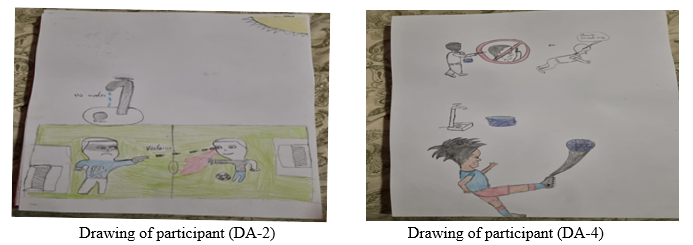
Bullying was identified as a cause of terror among children and youth attending school. In interacting with the participants, some were afraid to report the perpetrators to the authorities as the bullies often singled out peers who lacked supportive and protective friends (Acquah et al., 2016). Fortunately for the victims, when it was discovered they were no longer performing academically they were confronted with this and they alluded to suffering at the hands of bullies. This was supported by a participant who said, “I have a problem at school, there is a boy who is always bullying me, taking food and other belongings that I am having. When I refuse he uses force to take whatever he wants from me and this is affecting me, I am anxious and afraid of attending school” (LII-5). Another participant confirmed this, saying, “The problem that we are facing at school is bullying where children are being bullied, and we are unable to solve these problems since the bullies do not listen to us, so we live in fear” (LFGB-1). Bullying was identified as a risk which caused depression in some of the participants which, in turn, led them to have suicidal thoughts and plans. This is supported by a participant who said, “At school, we have a problem of bullies who are always harassing other learners. We are unable to solve these issues and the teachers are struggling to control these bullies, some learners live in fear and they sometimes experience panic attacks as signs of anxiety” (LFGB-3). These incidences led to children and youth resorting to suicidal behaviours which affected their mental health.
Alcohol and drug abuse were also identified as risks with children displaying antisocial behaviour, for example, by seriously violating rules, behaving aggressively, being deceitful, and being responsible for theft and destruction of property which lead to conduct disorder in some of the participants. Some male participants attested to using marijuana, alcohol and unprescribed drugs when faced with challenges. Most of the participants from secondary school agreed with the statement, “When I am stressed I use drugs and alcohol, unfortunately, after a few hours I start thinking about the problem again” (LII-12). Agreeing, another participant said, “I use alcohol and marijuana to avoid facing reality and escape my thoughts” (LII-11). It becomes a reality that although the participants used drugs and alcohol, the relief many received was temporary and hence they resorted to suicidal behaviours, while others attempted suicide when they were high. The participant who created the drawing in Figure 2 indicated abuse of alcohol and drugs as common practice, including among youth and children. Other drawings by participants confirmed that substance use and abuse were common in their communities.
Drawing of participant (DA-6)
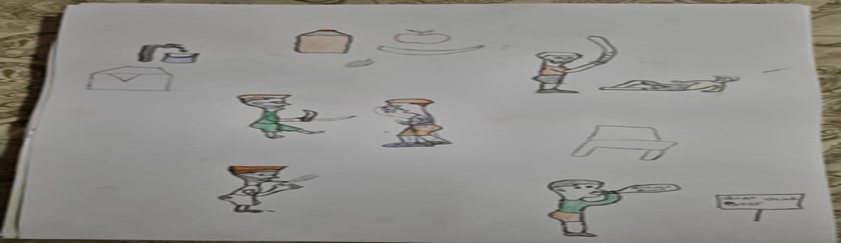
Figure 2: Drawing showing alcohol and substance abuse
The use of drugs can be detrimental to the proper functioning of individuals, where evidence-based treatment and interventions are needed that can help reduce adversity and can be sustainable overtime (Ogden & Hagen, 2018). The youth and children might resort to disruptive behaviour after consumption of drugs, including suicide ideation and plans to commit suicide. Disruptive behaviours were identified as risks that affected the proper functioning of the participants and which plunged them into psychopathology which was evident in suicidal behaviours. The researchers discovered that there were gender-based variations of suicide risk factors, where male older participants used drugs and alcohol more often than their counterparts. Additionally, female participants suffered child abuse more often than the male participants, which included among others, sexual, physical and emotional. This suggest that intervention strategies initiated in these environments should address the variations as such.
Resilience factors
Several resilience factors were found to protect participants from suicidal behaviours. Social support in the form of peer relations, protective family and schooling environments, and religious affiliations emerged as assisting with building resilience in children and youth when faced with mental health challenges. In addition, interpersonal relationships and the use of social media platforms proved beneficial in protecting the participants from risky behaviours related to suicide.
Psychological factors
Participants who suffered psychologically through loneliness and rejection were able to cope because of the interpersonal relationships they had with their friends. Baumeister and Robson (2021) argue belongingness in schools is important for wellbeing outcomes in school children. This has made them resilient despite the difficulties they sometimes faced. Loneliness and rejection could be detrimental to the mental health of children and youth, however, some participants indicated that they used resources like social media to protect them from feeling lonely and suicidal. In addition, most participants regarded listening to music and watching TV as providing resilience against loneliness and rejection. The learners who took part in the focus group interviews indicated that they had felt lonely and rejected, as this participant said, “I listen to music and stay away from the things that upset me.” (LFGA-1). Another reported, “I sat in my room and listen to music with my headphones” (LFHA-2). This was also supported by another participant who said, “I stay in my room and listen to music.” (LFGA-6). Agreeing with this, a participant said, “My brothers would go to play far away from home and I would be left alone so I listened to music through my headphones” (LII-10). This concurs with Tagomori et al. (2022) who said loneliness could be dispelled in adolescents by watching television, using social media, reading and listening to music.
Social factors
Social support afforded participants the opportunity to bounce back when faced with adversity. They alluded that having a shoulder to cry on when depressed helped them to endure and become resilient even when things were tough for them.Social support, particularly from the family (Moses & Villodas, 2017) plays an important role in ensuring that the needs of both the youth and children are met. Parents play a major role in providing for the needs of their children, and in a case where children do not have their parents around, external family members act in loco parentis to ensure that the basic needs of these children (which include moral support) are provided. Of the participants who struggled with suicidal inclinations, most became resilient because they received counselling from their parents and teachers. That support prevented the participants from engaging in suicidal behaviours. The drawings of participants confirmed that social support was crucial in preventing them from engaging in suicidal behaviours. The participant whose drawing is shown in Figure 3 explained that family support at her home protected her and her siblings from vulnerability, and she could always call to her parents when she felt her life was in danger.
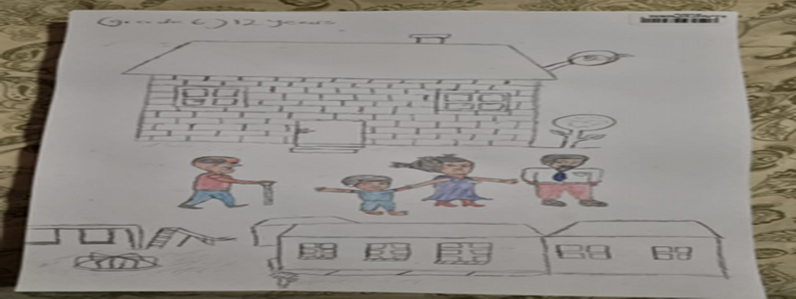
Figure 3: Drawing showing the importance of family support
It was also evident in the interviews that religion assisted some of the participants in coping with the challenges they faced. This was attested to by a participant who was depressed and said. “I had a little too much something at midnight to early morning. I woke up drained but I decided to pray and come to school” (LII-12). From this participant’s point of view prayer enabled her to get up and attend school that day. This is supported by Toussaint et al. (2015) who argued that a higher self-rated religiosity was related to a lower likelihood of thinking about suicide.
Peer relations play an important role and acts as a buffer for youth and children facing mental health challenges, particularly suicide (Moses & Villodas, 2017). Interpersonal relationships are important in shaping children and youth as they grow up. It is strongly advised that children are monitored to ensure they have good friends that will positively influence them rather than making friendships with those who will encourage them to do bad things. This is supported by a participant who said, “The friendship I have with my friends is good although I don’t trust all of them, but at times I have someone to talk to when I feel lonely and rejected” (LFGB-5). This was supported by another participant who said, “The relationship I have with my friends at school is amazing although there is only one person who is my best friend. With this one friend I can discuss sensitive matters with her” (LFGB-1). Another participant said, “I do have a friend whom I confide in when I have academic and personal issues” (LII-16), demonstrating that positive personal relations assisted participants and reduced the likelihood of thoughts of suicide, suicide ideation, and suicide attempts.
The use of alcohol and drugs were influential to social risks for both children and youth who consequently exhibited conduct disorders which made them prone to suicidal behaviours. The resilience factors against alcohol abuse were protective family environments, inability to access alcohol and drugs, and discipline. A participant indicated that “My parents do not drink alcohol” (LII-8), while another said, “There is no one taking alcohol or smoking cigarettes in my home” (LII-1 & -2). The most common resilience factors were warm and protective schooling environments (Ellis et al., 2017), with school rules instilling discipline and interventions from responsible educators. This was supported by a participant who indicated, “…but most importantly, the teachers and the entire school community are very supportive of me, and this encourages me to soldier on irrespective of the challenges I am facing” (LII-7). A participants said, “My mother and my counsellor are my only hope in my struggles” (LII-11), while another one said, “My teachers are also supportive” (LFGA-5). The drawing in Figure 4 shows how participants value the school as a supportive environment for them when faced with adversity. This participant regarded his school as very supportive, expressing that the teachers and the entire school brought a sense of hope and they feel protected in the environment.
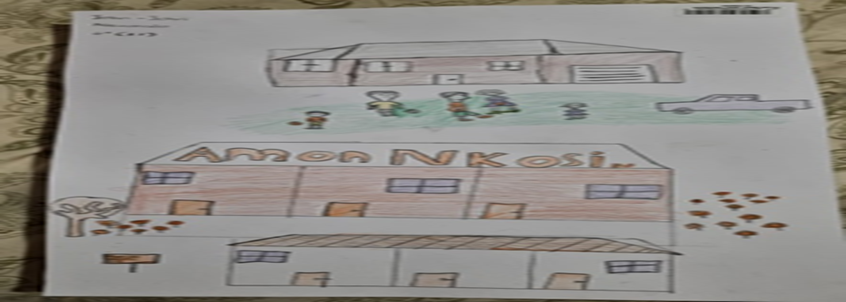
Figure 4: Drawing showing the influence of the school environment
Although most participants regarded their schooling environments as safe, others considered lockdown regulations as protecting them from bullies. A participant said, “I was happy because I could no longer be bullied by the boys on the street because we were always going home straight, and during the lockdown, we were at home and no bullying took place at home” (LII-2). Those who were bullied regarded teachers and school rules as buffers against this, as expressed by this participant who said, “There is no bullying here, I think there are standing rules that protect all the learners” (LII-16-19). Other participants said, “I think the school is trying to protect all the learners from being bullied” (LII-13-15).This means that protective environments acted as resilience factors for suicidal behaviours.
Discussion
The current study identified suicide as a mental health challenge which affected the participants. The study focused on suicidal risks and how they could be managed. The following risk factors were associated with suicide disorders such as suicidal ideation and suicide attempts: modern family structures, gender-based violence, difficult romantic relationships, stress, alcohol and drug abuse, loneliness and rejection, and bullying. Suicidal behaviours are associated with hereditary traits and family aggression. Suicide has escalated in children and youth and this is a cause for concern globally (Franklin et al., 2017). Our findings concur with previous epidemiological studies that indicated the association between mental health challenges and suicide. In South Africa, for instance, most children affected by suicidal behaviours suffered from depression as well (Lee et al., 2022).
In the sample of the current study, modern family structures, such as single parenting, divorced or separated parents, and children who stayed with relatives, proved to pose high risks for the participants. Our findings were supported by Kõlves (2010), who stated that among the leading causes of suicidal disorders were parental divorce and step-parenting, and these were identified as major causes of suicidal thoughts and ideation. Suicide was mainly caused by high levels of anxiety and depression, feelings of being lonely and rejected, and lack of support (Thornton et al., 2019). According to Klonsky and May (2015), suicide progresses from suicide ideation, and an attempt to action with three indicators combined, namely, psychological pain, hopelessness, and feeling disconnected. Suicide is a leading cause of death at 19% among children and youth aged 15 to 34 (McMahon et al., 2014). Our findings suggest that participants who were resilient were those that were supported by relatives, caregivers and teachers as opposed to those who lacked any support at all. This means that strengthening family and community support through the training of teachers and caregivers might reduce risks for suicide in children and youth. This can be done by schools themselves with the assistance of professionals like social workers and psychologists.
When it came to gender-based violence, difficult romantic relationships, and stress, the thoughts of suicide and attempted suicide among females were higher than those of the male participants in this sample. This was aggravated by sexual abuse, where girls were more affected than boys. This concurred with the statistics from the World Health Organization (2014) which indicated that the capacity to attempt suicide was common among females in South Africa, with a suicide rate of 2.8% in 100 000 in the population of youth between the ages of 15 to 29, over a 10 year period. In Norway for example between March and May 2020, they registered 140 suicide cased, which corresponds with the estimates of WHO of the rate of 2, 8 per 100,000 in the population table (Qin & Mehlum, 2021). In promoting resilience, strengthening support for families and communities might initiate resilience, especially at the micro level (family) as indicated by Bronfenbrenner’s bioecological theory. This was also evident in our study that those children and youth who were supported either by their families, peers or school teachers were able to cope irrespective of the challenges they faced. Schools, as an environment where children and youth learn and mingle, should be used as the first line of support for those experiencing difficulties and are places where resilience can be promoted. Social skills training can be used, particularly for those children and youth experiencing depression which might escalate into suicide, to restore their hope and promote resilience. Studies attest that suicide is a leading factor of death in children and youth (Cha et al., 2018), which co-occurs with the increasing suicidal thoughts and behaviour among them (Ribeiro et al., 2016).
Alcohol and drug abuse by family members and participants themselves also highlighted high risks of suicidal disorders. This was attested to by Wilcox et al. (2004), who said alcohol and drug abuse were associated with a variety of suicidal disorders. This was often due to decisions taken while individuals were under the influence of drugs. According to Esang and Ahmed (2018), the risk of suicide increases when psychiatric disorders are comorbid with substance use disorders. Access to drugs for children and youth both at home and in communities should be restricted and monitored. Unfortunately, many are exposed to these substances in their family environments. In the current study, primary learners were protected from drugs and alcohol by their protective learning environments, while high school learners used them and were consequently prone to psychological disorders. Intervention for drugs should be comprehensive, which includes preventing access, control of sales and identification of hot spots which might affect children and youth. Parents and communities need awareness campaigns on the dangers of drugs and the effect they have on the mental health of children and youth. In this sample, young people who used drugs were more likely to show signs of suicidal disorders than those who did not use them. In promoting resilience in children and youth, institutions should draft a risk management plan, which would include an initial assessment of possible use of drugs in individuals, and such behaviours as self-isolation, hostility, and aggression towards other individuals and animals. Institutions should also priototise training of positive parenting versus negative parenting, which includes initiating parenting programmes and improving access to services. In this way suicide disorders could be minimised in children and youth.
Drawing from the above discussion, the study found that the prevalence of suicide in the Ehlanzeni education district was relatively high compared to other studies. Results from the current study indicated that participants from secondary school were more likely to attempt suicide and had suicide ideation due to the challenges they faced, including sexual abuse, infection with HIV/AIDS, alcohol and drug abuse, and difficult relationships. This differs from the study conducted in Botswana for both primary and secondary learners which indicated suicide was common for both categories, citing bullying as rife among both primary and secondary learners (Forty et al., 2023). In contrast, in this study primary school going learners in this sample reported that their schools served as a buffer against bullying. According to a current study on suicide, the prevalence of suicide on the mental health of children and youth draws from school-based factors (Yang et al., 2015) coupled with environmental factors, which means interventions should be targeted at school going children and youth. Interventions to promote resilience should be comprehensive and should address all levels as suggested by Bronfenbrenner’s theory, so that children and youth can be supported within and outside schooling environments. The support should also target social skills as one of the interventions suggested by the current study, which could help both children and youth to seek help, speak out when faced with challenges, and thereby promote resilience against suicide in general. The post-primary, school-based suicide prevention (PSSP) has been identified by researchers as a potential key strategy for preventing adolescent suicidal thoughts and behaviours (STBs), although there are challenges in translating it into practice (Walsh et al., 2023). It is suggested that for the intervention to be effectively implemented, the stakeholders involvement proved to be effective in increasing general suicide awareness, improve knowledge about depression, and strengthening help-seeking and peer support among children and youth.
Additional loneliness and rejection also contributed to suicide behaviours, which was evident when participants showed signs of withdrawal or anhedonia symptoms (Bloch-Elkouby et al., 2020), This was due to the different forms of abuse both children and youth experienced in their neighbourhood. The current study identified social capital as playing an important role in ensuring that both children and youth were protected from vulnerability and that resilience factors were provided. Participants managed to be resilient against mental health challenges – especially depression – which led to suicidal behaviours through social support. This finding was supported by the study conducted by Von Cheong et al. (2017) who indicated that social support helped in building resilience against depression. The younger participants in primary schools portrayed resilience even though they were faced with challenges, for example, they cited their school environments (as indicated in the drawing in Figure 4) as places where they felt protected and safe. This was supported by Nie et al. (2022), who suggested that school belongingness acted as a buffer against school risk factors, and it could be used as a resilience strategy for preventing adversity in schools. The younger participants in primary school were able to be resilient through the use of a supportive network in the form of teachers and family members, while the senior secondary respondents reported difficult family relationships, feelings of suicide, and anxiety were common among them. This concurs with the study on suicide which indicated that a wide range of demographic, personal and social characteristics were associated with risks of suicidal behaviours and thoughts for adolescents (Evans et al., 2004). It was also evident that the older respondents used poor coping skills like using drugs, hence the results found more of these participants had suicide feelings and pressures which indicated that they had fewer coping skills, and hence most of them resorted to suicide thoughts and attempts.
Currently in South Africa interventions have been initiated to curb the scourge of suicide, among others is the school kit on the symptoms of depression and suicide, which is used as a tool/questionnaire to identify and support learners at risk of depression and suicide (http://wwww.education.gov.za). Also, the South African Depression and Anxiety Group (SADAG) a non-profit organization that provides mental health support, advocacy, and resources to South Africans, including 24/7 crises help line, free support groups, educational materials, and referrals to mental health professionals (http:www.sadag.org). SADAG provides school talks of about 1800 learners per school, presented to learners class by class which include crisis intervention, debriefing and teacher’s workshops.
Suicide was identified as high risk for mental health disorders in the current study. The intervention strategy for suicide should address the root cause and should be specific to the challenge experienced. Children and youth commit suicide for a variety of problems, hence a one-size fits all intervention might be ineffective. Departments and other organizations might also be strengthened to ensure the provision of protective environments which could curb adversity related to suicide. For example, support for those children and youth in need could be provided through supportive structures in schools, NGO’s, government departments and by health professionals, all of which might reduce the risks experienced.
The researchers suggest that educational psychologists should strengthen their support for educators and learners with regards to suicide. Training of educators becomes key, as they lack skills on how to deal with suicide ideation, thoughts and attempts. The training might include identification of signs and cues for suicide, dealing with thoughts and ideation, and also counselling those who attempted suicide and those children and youth who had lost their peers. The training might be effective when conducted on a continuous basis as this would involve the psychological well-being of both educators and their learners. Finally, training should also include dealing with trauma resulting from loss due to suicide and coping mechanisms after incidents of suicide. The intervention above should be informed by the bioecological theory which emphasizes the total integration of all levels individuals find themselves in, from family, school, and community, to government institutions.
Conclusion
Like all studies, this one had its limitations. First, the study was conducted during COVID-19 regulations, so access to schools was restricted, but the researchers worked with district officials to gain access which made this project a success. Secondly, participants experienced a lot of stress regarding COVID-19, with death challenges within communities and families, which made them anxious, hence the suicidal behaviours escalated during the period of study. The researchers discovered that most participants experienced psychological discomfort, and worked with learner support agents and child and youth care workers onsite and district educational psychologists for participants who needed psychosocial support. Suicides in young people are very common, the researchers would like to cite an example of a case in the district. A girl learner in grade 10 is orphaned and live with extended family members. One day on returning from school she was raped by an unknown suspect, and decided to keep it within herself. After a month or so she was depressed and could not attend school regularly until a female educator intervened. She disclosed the matter and was taken to the local clinic for medical examination. The health professional confirmed she was pregnant and she is HIV positive. She was since attempting suicide but through the support of the schooling community, she was on treatment and managed to give birth to an HIV free child. She is currently on treatment, continuing with schooling and she is resilient to the challenges experienced.
The important findings for the study was the variety of risks identified that contributed to participants experiencing suicidal disorders. It is important to initiate resilience in children and youth in order to prevent suicide and other mental health challenges from occurring. This study found that social support in the form of family and friends, religious affiliations, and protective family and schooling environments proved to be beneficial to participants. The current article presents the qualitative results only, but the current study used mixed-methods approach, meaning the resilience was duly measured using the Child and Youth Resilience Measure (CYRM-12) The resilience factors identified can be incorporated in the current social skills program for children and youth, which can be structured in a form of individual client-based, class discussions and group discussions within the schooling environments on a 12 month period. These programs should include all stakeholders identified in the current study. Despite the limitations, the findings of this study provide insight on how to curb suicidal risks and promote resilience among children and youth. The findings might assist similar populations affected by suicide in developing resilience against it. Whilst the study was conducted in a specific district in South Africa, the support interventions proposed could be used in other parts of the country and globally as well. The current research can be used as baseline for other research which might cover larger populations, and can be used as guideline for policy implementation in South Africa and beyond.
Declaration of conflicting interests
The author(s) declared no potential conflicts of interest with respect to research, authorship, and/ or publication of this research.
Funding
The publication and editing was sponsored by the NRF organisation, and it is derived from my PhD thesis.
References
- Acquah, E. O., Topalli, P. L., Wilson, M. L., Junttilla, N., & Niemi, P. M. (2016). Adolescent loneliness and social anxiety as predictors of bullying victimisation. Interpersonal Journal of Adolescence and Youth, 21(3), 320-331. https://doi.org/10.1080/02673843.2015.1083449
- Amare, T., Meseret Woldeyhannes, S., Haile, K., & Yeneabat, T. (2018). Prevalence and associated factors of suicide ideation and attempt among adolescent high school students in Dangila Town, Northwest Ethiopia. Psychiatry Journal, 2018, Article ID7631453. https://doi.org/10.1155/2018/7631453
- Asante, K. O., Kugbey, N., Osafo, J., Quarshie, E. N. B., & Sarfo, J. O. (2017). The prevalence and correlates of suicidal behaviours (ideation, plan and attempt) among adolescents in senior high schools in Ghana. SSM – Population Health, 3, 427-434. https://doi.org/10.1016/j.ssmph.2017.05.005
- Ashaba, S., Cooper-Vince, C., Vorvechovska, D., Maling, S., Rukundo, G. Z., Akena, D., & Tsai, A. C. (2019). Development and validation of a 20-item screening scale to detect major depressive disorder among adolescents with HIV in rural Uganda: A mixed-methods study. SSM – Population Health, 7, 100332. https://doi.org/10.1016/j.ssmph.2018.100332
- Bachmann, S. (2018). Epidemiology of suicide and the psychiatric perspective. International Journal of Environmental Research and Public Health, 15(7), 1425. https://doi.org/10.3390/ijerph15071425
- Baumeister, R. F., & Robson, D.A. (2021). Belongingness and the modern schoolchild: On loneliness, socioemotional health, self-esteem, evolutionary mismatch, online sociality, and the numbness of rejection. Australian Journal of Psychology, 73(1), 103-111. https://doi.org/10.1080/00049530.2021.1877573
- Bloch-Elkouby, S., Gorman, B., Schuck, A., Barzilay, S., Calati, R., Cohen, L. J., Begum, F., & Galynker, I. (2020). The suicide crisis syndrome: A network analysis. Journal of Counselling Psychology, 67(5), 595-607. https://doi.org/10.1037/cou0000423
- Bronfenbrenner, U. (1979). The ecology of human development: Experience by nature and design. Harvard University Press.
- Cha, C. B., Franz, P. J., Guzman, E. M., Glenn, C. R., Kleiman, E. M., & Nock, M. K. (2018). Annual research review: Suicide among youth – epidemiology, (potential) etiology, and treatment. Journal of Child Psychology and Psychiatry, 59(4), 460-482. https://doi.org/10.1111/jcpp.12831
- Chinazzo, I. R., Fontanari, A. M. V., Costa, A.B., Lobato, M. I. R. (2023). Factors associated with suicidal ideation and suicide attempt in Brazilian transgender youth. International Journal of Environmental Research and Public Health, 20(4), 3215. https://doi.org/10.3390/ijerph20043215
- Cluver, L., Orkin, M., Boyes, M. E., & Sherr, L. (2015). Child and adolescent suicide attempts, suicidal behavior, and adverse childhood experiences in South Africa: A prospective study. Journal of Adolescent Health, 57(1), 52-59. https://doi.org/10.1016/j.jadohealth.2015.03.001
- Dunlavy, A. C., Aquah, E. O., & Wilson, M. L. (2015). Suicidal ideation among school-attending adolescents in Dar es Salaam, Tanzania. Tanzania Journal of Health Research, 17(1), 1-9. Tanzania Journal of Health Research. https://www.ajol.info/index.php/thrb/article/view/102996/100995
- Ellis, B. J., Bianchi, J., Griskevicius, V., & Frankenhuis, W. E. (2017). Beyond risk and protective factors: An adaptation-based approach to resilience. Perspectives on Psychological Science, 12(4), 561-587. https://doi.org/10.1177/1745691617693054
- Esang, M., & Ahmed, S. (2018). A closer look at substance use and suicide. The American Journal of Psychiatry Residents’ Journal, 13(6), 6-8. https://doi.org/10.1176/appi.ajp-rj.2018.130603
- Evans, E., Hawton, K., & Rodham, K. (2004). Factors associated with suicidal phenomena in adolescents: A systematic review of population-based studies. Clinical Psychology Review, 24(8), 957-979. https://doi.org/10.1016/j.cpr.2004.04.005
- Fleischmann, A. (2016). Suicide in the world. In D. Wasserman (Ed), Suicide: An unnecessary death (pp. 3-17). Oxford University Press. https://doi.org/10.1093/med/9780198717393.003.0001
- Forty, J., Navaneetham, K., & Letamo, G. (2023). Prevalence and predictors of suicidal behaviours among primary and secondary school going adolescents in Botswana. PLoS ONE, 18(3), e0282774. https://doi.org/10.1371/journal.pone.0282774
- Franklin, J. C., Ribeiro, J. D., Fox, K. R., Bentley, K. H., Kleiman, E. M., Haung, X., Musacchio, K. M., Jaroszewski, A. C., Chang, B. P., & Nock, M. K. (2017). Risk factors for suicidal thoughts and behaviors: A meta-analysis of 50 years of research. Psychological Bulletin, 143(2), 187-232. https://doi.org/10.1037/bul0000084
- Gili, M., Castellví, P., Vives, M., de la Torre-Luque, A., Almenara, J., Blasco, M. J., Cebrià, A. I., Gabilondo, A., Pérez-Ara, M. A., Miranda-Mendizábal, A, Lagares, C., Parés-Badell, O., Piqueras, J. A., Rodríguez-Jiménez, T., Rodríguez-Marín, J., Soto-Sanz, V., Alonso, J., & Roca, M. (2019). Mental disorders as risk factors for suicidal behavior in young people: A meta-analysis and systematic review of longitudinal studies. Journal of Affective Disorders, 245, 152-162. https://doi.org/10.1016/j.jad.2018.10.115
- Javadi, M., & Zarea, K. (2016). Understanding thematic analysis and its pitfall. Journal of Client Care, 1(1), 34-40. https://www.google.com/url?sa=t&rct=j&q=&esrc=s&source=web&cd=&cad=rja&uact=8&ved=2ahUKEwirz-L1-ImEAxWyQUEAHXk8DvcQFnoECBIQAQ&url=https%3A%2F%2Fpdfs.semanticscholar.org%2F7e0d%2Fd7ca59631b0cc61a1ce28effd6eb0c78a665.pdf&usg=AOvVaw1ZuL2r4sL_9fSUXapeR1fX&opi=89978449
- Klonsky, E. D., & May, A. M. (2015). The three-step theory (3ST): A new theory of suicide rooted in the “ideation-to-action” framework. International Journal of Cognitive Therapy, 8(2), 114-129. https://doi.org/10.1521/ijct.2015.8.2.114
- Kõlves, K. (2010). Child suicide, family environment and economic crisis. Crisis, 31(3), 116-117. https://doi.org/10.1027/0227-5910/a000040
- Lee, P. H., Doyle, A. E., Silberstein, M., Jung, J. Y., Liu, R. T., Perlis, R. H., Roffman, D., Smoller, J. W., Fava, M., & Kessler, R.C. (2022). Associations between genetic risks for adult suicide attempt and suicidal behaviors in young children in the US. JAMA Psychiatry, 79(10), 971-980. https://doi.org/10.1001/jamapsychiatry.2022.2379
- Lovero, K. L., Dos Santos, P. F., Come, A. X., Wainberg, M. L., & Oquenda, M. A. (2023). Suicide in global mental health. Current Psychiatry Reports, 25, 255-262. https://doi.org/10.1007/s11920-023-01423-x
- McMahon, E. M., Keeley, H., Cannon, M., Arensman, E., Perry, I. J., Clarke, M., Chambers, D., & Corcoran, P. (2014). The iceberg of suicide and self-harm in Irish adolescents: A population-based study. Social Psychiatry and Psychiatric Epidemiology, 49, 1929-1935. https://doi.org/10.1007/s00127-014-0907-z
- Moses, J. O., & Villodas, M. T. (2017). The potential protective role of peer relationships on school engagement in at-risk adolescents. Journal of Youth and Adolescence, 46, 2255-2272. https://doi.org/10.1007/s10964-017-0644-1
- Musyimi, C. W., Mutiso, V. N., Nyamai, D. N., Ebuenyi, I., & Ndetei, D. M. (2020). Suicidal behavior risks during adolescent pregnancy in a low-resource setting: A qualitative study. PLoS ONE, 15(7), e0236269. https://doi.org/10.1371/journal.pone.0236269
- Ng, Q. X., Yong, B. Z., Ho, C. Y. X., Lim, D. Y., & Yeo, W.-S. (2018). Early life sexual abuse is associated with increased suicide attempts: An update meta-analysis. Journal of Psychiatric Research, 99, 129-141. https://doi.org/10.1016/j.jpsychires.2018.02.001
- Naguy, A., Elbadry, H., Salem, H. (2020). Suicide: a precis! Journal of Family Medicine and Primary Care, 9(8), 4009-4015. Doi: 10.4103/jfmpc 12 20.
- Nie, W., Gao, L., & Cui, K. (2022). Bullying victimization and mental health among migrant children in urban China: A moderated mediation model of school belonging and resilience. International Journal of Environmental Research and Public Health, 19(12), 7135. https://doi.org/10.3390/ijerph19127135
- Ogden, P., & Hagen, K. A. (2018). Adolescent mental health prevention and intervention. Routledge.
- Pandey, A. R., Bista, B., Dhungana R. R., Aryal K. K., Chalise B., & Dhimal, M. (2019). Factors associated with suicidal ideation and suicidal attempts among adolescent students in Nepal: Findings from Global School-based Students Health Survey. PloS ONE, 14(4), e0210383. https://doi.org/10.1371/journal.pone.0210383
- Pillay, J. (2014). Ethical considerations in educational research involving children: Implications for educational researchers in South Africa. South African Journal of Childhood Education, 4(2), a211. https://doi.org/10.4102/sajce.v4i2.211
- Qin, P., & Mehlum, L. (2021). National observation of death by suicide in the first 3 months under COVID-19 pandemic. Acta Psychiatrica Scandinavica, 143(1), 92-93. https://doi.org/10.1111/acps.13246
- Quarshie, E. N., Waterman, M. G., & House, A. O. (2020). Self-harm with suicidal and non-suicidal intent in young people in sub-Saharan Africa: A systematic review. BMC Psychiatry, 20(1), 1-26. https://doi.org/10.1186/s12888-020-02587-z
- Randall, J. R., Doku, D., Wilson, M. L., & Peltzer, K. (2014). Suicidal behaviour and related risk factors among school-aged youth in the Republic of Benin. PLoS ONE, 9(2), e88233. https://dpi.org/10.1371/journal.pone.0088233
- Ribeiro, J. D., Frankin, J. G., Fox, K. R., Bentley, K. H., Kleiman, E. M., Chang, B. P., & Nock, M. K. (2016). Self-injurious thoughts and behaviors as risk factors for future suicide ideation, attempts, and death: A meta-analysis of longitudinal studies. Psychological Medicine, 46(2), 225-236. https://doi.org/10.1017/S0033291715001804
- Ridley, M., Rao, G., Schilbach, F., & Patel, V. (2020). Poverty, depression, and anxiety: Causal evidence and mechanisms. Science, 370(2522), eaay0214. https://doi.org/10.1126/science.aay0214
- Scotland, J. (2012). Exploring the philosophical underpinnings of research: Relating ontology and epistemology to the methodology and methods of the scientific, interpretive, and critical research paradigms. English Language Teaching, 5(9), 9-16. https://doi.org/10.5539/elt.v5n9p9
- Seidu, A. A., Amu, H., Dadzie, L. K., Amoah, A., Ahinkorah, B. O., Ameyaw, E. K., Acheampong, H. Y., & Kissa-Korsah, K. (2020). Suicidal behaviours among in-school adolescents in Mozambique: Cross-sectional evidence of the prevalence and predictors using the Global School-Based Health Survey data. PLoS ONE, 15(7), e0236448. https://doi.org/10.1371/journal.pone.0236448
- Shoib, S., & Kim, Y. K. (2019). The frontiers of suicide. In Y. K. Kim (Ed.), Frontiers in psychiatry: Advances in experimental medicine and biology (Vol. 1192, pp. 503-517). Springer. https://doi.org/10.1007/978-981-32-9721-0_25
- Steck, N., Egger, M., Schimmelmann, B. G., & Kupferschmid, S. (2018). Suicide in adolescents: Findings from the Swiss National cohort. European Child & Adolescent Psychiatry, 27, 47-56. https://doi.org/10.1007/s00787-017-1019-6
- Tagomori, H., Fardghassemi, S., & Joffe, H. (2022). How young adults cope with loneliness: A study of London’s most deprived boroughs. International Journal of Adolescence and Youth, 27(1), 1-22. https://doi.org/10.1080/02673843.2021.2013263
- Thornton, V. J., Asanbe, C. B., & Denton, E. G. D. (2019). Clinical risk factors among youth at high risk of suicide in South Africa and Guyana. Depression & Anxiety, 36(5), 423-432. https://doi.org/10.1002/da.22889
- Toussaint, L., Wilson, C. M., Wilson, L. C., & Williams, D. R. (2015). Religiousness and suicide in a nationally representative sample of Trinidad and Tobago adolescents and young adults. Social Psychiatry and Epidemiology, 50, 1441-1450. https://doi.org/10.1007/s00127-015-1045-y
- Uddin, R., Burton, N. W., Maple, M., Khan, S., & Khan, A. (2019). Suicidal ideation, suicide planning, and suicide attempts among adolescents in 59 low-income and middle-income countries: A population-based study. The Lancet Child & Adolescent Health, 3(4), 223-233. https://doi.org/10.1016/S2352-4642(18)30403-6
- Von Cheong, E., Sinnott, C., Dahly, D., & Kearney, P. M. (2017). Adverse childhood experiences (ACEs) and later-life depression: Perceived social support as a potential protective factor. BMJ Open, 7(9), e013228. https://doi.org/10.1136/bmjopen-2016-013228
- Walsh, E.H., Herring, M.P., & McMahon, J. (2023) A systematic review of school-based suicide prevention interventions for adolescent, and intervention and contextual factors in prevention. Prevention Science, 24(2), 365-381.
- Wilcox, H. C., Conner, K. R., & Caine, E. D. (2004). Association of alcohol and drug use disorders and completed suicide: An empirical review of cohort studies. Drug and Alcohol Dependence, 76, S11-S19. https://doi.org/10.1016/j.drugalcdep.2004.08.003
- World Health Organization (WHO). (2014). Preventing suicide: A global imperative. https://www.who.int/publications/i/item/9789241564779
- Yang, L. S., Zhang, Z. H., Sun, L., Sun, Y. H, & Ye, D. Q. (2015). Prevalence of suicide attempts among college students in China: A meta-analysis. PLoS ONE, 10(2), e0116303. https://doi.org/10.1371/journal.pone.0116303
- Ziaei, R., Viitarasa, E., Soares, J., Sadeghi-Bazarghani, H., Dastgiri, S., Zeinalzedah, A. H., Bahodori, F., & Mahommadi, R. (2017). Suicidal ideation and its correlates among high school students in Iran: A cross-sectional study. BMC Psychiatry, 17(1), 1-7. https://doi.org/10.1186/s12888-017-1298-y.