Effectiveness of Environmental Governance in Bentiu Oil And Gas Production Fields in Unity State, South Sudan
Bul. Duot. Kuer 1 , Dr. David. Mugendi 2 , Dr. Sammy. Letema 3
*Corresponding author: Bul. Duot. Kuer, Doctoral Candidate, Kenyatta University;
Email: wendayueldit80@gmail.com
DOI: 10.37722/ESPRAM.2026103
Abstract
Oil and gas production significantly contributes to economic development but poses substantial risks to water quality, affecting ecosystems, public health and livelihoods. This paper examines the effectiveness of environmental governance in Bentiu oil and gas production fields in Unity State, South Sudan. The study used in-depth, semi-structured interviews and document reviews to explore environmental governance in Bentiu’s oil and gas sector, focusing on policy development, enforcement, corporate responsibility, and community participation. Data collection included stakeholder mapping, assessment of legal and monitoring frameworks, and evaluation of public participation through local observations. Data analysis combined qualitative thematic analysis and quantitative methods to identify trends, gaps and effectiveness in governance practices. Monitoring mechanisms were assessed based on inspection frequency, penalties and institutional capacity. Stakeholder interactions and conflicts were mapped to understand coordination challenges. Community engagement and transparency were evaluated by examining involvement in decision-making and access to information. Results revealed that environmental governance in Bentiu’s oil and gas sector is weak due to poor enforcement, limited institutional capacity and lack of coordination. Environmental degradation continues, with communities excluded from key decisions and receiving little compensation. The study recommends strengthening legal frameworks, increasing institutional funding and expertise and enforcing stricter penalties. It also calls for inclusive community participation, transparent reporting and independent monitoring systems. There is the need for multi-stakeholder collaboration to promote accountability and ensure sustainable environmental management.

Watch the Article in Motion
Keywords: Bentiu, environmental governance, Gas, Oil, Production, South Sudan
Introduction
Oil and gas production drives economic growth in resource-rich regions and influences the socio-economic development of host communities (Stevens, 2003). Globally, there are about 70, 000 oil and gas fields distributed in nearly 100 countries with more than 1600 billion barrels of crude oil reserves (Johnston et al., 2019).The exploitation of these hydrocarbon reserves occurs with myriad negative local, regional, and international impacts bringing into the concept of “resource curse” or “the Dutch Disease”. Resource curse is the adverse environmental, social, economic and political impacts a country endowed with abundant natural resources go through due to exploitation processes (Saâdaoui & Jbir, 2021).
Researchers opine that extraction industries can lead to scenario of “resource blessings” (Byakagaba et al., 2019) by eradicating poverty through creation of employment, promoting local businesses, income, infrastructure development and provision of public facilities such as health services and schools, economic growth, better institutions and rapid economic growth (Smith, 2020).
The resource blessing theory posits that hydrocarbon industries can promote economic growth, create jobs and elevate income levels (O’Faircheallaigh, 2013). Researchers argue that these industries may promote industrialization (Roberts, 2015). Adewuyi and Oyejide (2020) observed that resource-rich countries have successfully leveraged oil production to stimulate economic stability and infrastructure development. However, Mehlum et al. (2022) and Ross (2020) highlighted persistent challenges such as mismanagement and environmental degradation. The presence of oil has often served as a catalyst for socio-economic transformation, leading to growth, revenue, employment and improved public services (Smith, 2021).
In Sub-Saharan Africa, oil-producing regions frequently experience governance challenges, including weak regulatory frameworks, poor enforcement of environmental standards, and limited community participation in decision-making (Obi, 2010; Watts, 2020). While studies have documented both positive and negative outcomes of oil extraction in countries like Nigeria, Angola, and Ghana, there is limited empirical research on environmental governance effectiveness in South Sudan’s oil fields, particularly in Bentiu, Unity State. This gap is critical because understanding governance performance can inform strategies to mitigate environmental degradation, promote sustainable development, and enhance socio-economic benefits for local communities.
This study faced limitations related to data availability and access constraints within South Sudan’s oil and gas sector. Reliable and up-to-date environmental data were often unavailable due to incomplete monitoring records, restricted access to company reports, and outdated government databases, limiting quantitative assessment of environmental performance. Access to oil production sites and key informants was further constrained by security concerns, administrative barriers, and the sensitive nature of the sector, resulting in reliance on some self-reported information that may be subject to bias. Although these challenges restricted sample size and geographic coverage, triangulation of interviews, documents, and field observations helped enhance the credibility of the findings, which remain valuable for understanding environmental governance in fragile oil-producing contexts such as Bentiu.
In Bentiu, South Sudan, while oil production could drive economic transformation through jobs and infrastructure, it also poses challenges like community tensions, inequality and environmental degradation. This paper examines the effectiveness of environmental governance in Bentiu oil and gas production fields in Unity State, South Sudan.
Literature Review
Environmental governance regulates the impact of oil and gas production on ecosystems and communities. The extraction and processing of oil and gas present significant environmental challenges, including pollution, habitat degradation and greenhouse gas emissions (Owusu & Bekoe ,2019). Effective governance frameworks ensure that industry practices align with environmental protection standards and sustainable development goals. However, in many oil-producing regions, weak regulatory enforcement has led to environmental degradation and social unrest (William & Appiah-Opoku ,2018). Strengthening environmental governance is therefore essential for balancing economic gains from oil and gas with the long-term health of the environment and public well-being.
Indeed, Müller et al. (2019) conducted a study on community participation in environmental governance in the Norwegian oil and gas industry. The methodology involved surveys and interviews with stakeholders and the study found out that community participation contributes to better environmental outcomes. The study concluded that greater community participation should be encouraged and facilitated by policymakers. The study recommended that companies should engage in early consultations with communities and provide them with more information. However, the study gap is the lack of research on the effectiveness of community participation in developing countries.
Additionally, Miah and Bhuyan (2017) conducted a study on government policies and environmental governance in Bangladesh’s oil and gas industry. The methodology involved literature reviews, case studies and interviews with experts. The study found out that weak regulations and inadequate monitoring by the government hamper effective environmental governance. The study concluded that strong political will, effective institutional mechanisms and better compliance with rules are necessary for improved environmental governance. The study recommended that governmental bodies ought to receive additional resources to enforce regulations, and penalties for non-compliance should be raised. However, the study gap is the lack of attention given to the role of civil society organizations in environmental governance.
A study by William and Appiah-Opoku (2018) carried out research on the legal and institutional structure for environmental management in the oil and gas sector of Nigeria and Ghana. The methodology involved document analysis, interviews with stakeholders and site visits. The study found out that the legal framework is inadequate and key institutions lack capacity and resources to regulate effectively. The study concluded that a comprehensive legal framework, strengthened institutions and capacity building are necessary for improved environmental governance. Study recommended that the government should prioritize the enactment of a comprehensive legal framework and provide adequate resources for institutional development. However, research gap refers to the insufficient investigation into how environmental governance affects local communities
Likewise, Owusu and Bekoe (2019) conducted a study on community participation in environmental governance in Tanzania’s oil and gas industry. The methodology involved surveys and interviews with stakeholders. The study found out that community participation is limited and ineffective, which hampers environmental governance. The study concluded that effective community participation, backed by strong institutional support, is crucial for improved environmental governance. The study recommended that the government should prioritize community participation in decision-making processes and provide institutional support for such participation. However, the study gap is lack of research on the impact of cultural and socio-economic factors on environmental governance.
On the other hand, Majok (2016) carried out research on the efficiency of environmental governance in Bentiu’s oil and gas production areas in Unity State, South Sudan. The methodology involved interviews with stakeholders, site visits and observation. The study found out that the legal and institutional frameworks are weak and there is limited community participation, which affects environmental governance negatively. It was concluded that urgent policy interventions are necessary to strengthen legal framework, institutions and community participation mechanisms. The study recommended that companies operating in the area should undertake social and environmental impact assessments before starting any operations. However, the study gap is lack of study on impact of oil spills on local communities.
Materials and Methods
Study area
Bentiu is situated close to the Republic of Sudan’s international border in Rubkona County, Unity State, in northern South Sudan. It is located roughly 654 kilometres (406 miles) northwest of Juba, the nation’s capital and largest city. As per the year 2022 the total population of Bentiu, was 100,230 people. The area is endowed with a good drainage system with river Rubkona, on the Bahr el Ghazal passing through the study area. Before oil and gas production begun in the area, the main economic activity was agro-pastoralists and seasonal farming. Major within the oil fields area are Dhorbor, Nhialdiu, Biel and Rotriak. Limited summer cultivation and poor market access hindered vegetable farming in the study area however NGOs introduced market-oriented agriculture to rural farmers to improve productivity.
Data Sources and Stakeholder Selection
This study draws on both primary and secondary data to assess environmental governance in the Bentiu oil and gas fields. Primary data were collected through semi-structured interviews, focus group discussions, and field observations to capture regulatory practices, corporate environmental management, and community experiences. Secondary data included government policy documents, environmental impact assessments, company sustainability reports, and relevant academic and grey literature on oil governance in Sub-Saharan Africa. Stakeholders were purposively selected based on their regulatory, operational, community, and advocacy roles, encompassing government officials, oil company representatives, local community members, and civil society organizations. This inclusive selection ensured representation of diverse perspectives relevant to environmental governance and enhanced the transparency and reproducibility of the study.
Sampling strategy
The total population number of households in Rubkona County found within Bentiu area was 10,069 households. The households were the best suited to give response on the effect of oil and gas production on biophysical sphere, oil and gas production on socio-economic and the effectiveness of environmental management governance. This is because the households interacted with oil and gas production at Bentiu whose impacts are directly evident in their livelihoods and their immediate environment. To get the sample size for the households, this study applied the Yamane (1973) formula. Thus:
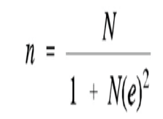
Where: n is the sample size; N = the population of the study=10,069; and e = the margin error in the calculation=0.05. From the formula, n=384.
Data collection methods
In-depth, semi-structured interviews with stakeholders in Bentiu’s oil and gas industry covered policy development, regulatory enforcement, corporate social responsibility, and community participation. A systematic review assessed the legal framework for environmental governance, identifying gaps, while monitoring mechanisms were examined via inspection frequency, penalties and agencies’ capacity. Stakeholder mapping highlighted collaboration challenges. Public participation and transparency were evaluated through information availability and community involvement opportunities, using data from interviews, document reviews and local observations.
Data analysis
Qualitative interviews with Bentiu’s oil and gas stakeholders focused on thematic analysis of policy development, regulatory enforcement, corporate social responsibility and community engagement. Document reviews revealed trends in environmental governance, identifying effectiveness and gaps. Monitoring mechanisms were evaluated using quantitative and qualitative methods, assessing inspection frequency, penalties and regulatory capacities. Stakeholder mapping revealed interactions and potential conflicts. Public participation and transparency were examined through community involvement and government responsiveness. Results utilized descriptive statistics and thematic analysis to inform recommendations for improving Bentiu’s environmental governance framework.
Results
Environmental Governance Framework
National Policies: Document Analysis
The analysis of South Sudan’s environmental governance policies, particularly the Petroleum Act and the Environmental Protection Act, was conducted using content analysis to evaluate the legal provisions related to environmental protection, their alignment with sustainable development principles and their consistency with international environmental conventions. The document analysis technique provided a structured and systematic approach to uncovering key provisions within these policies and assessing their effectiveness in safeguarding environmental sustainability, pollution control and biodiversity conservation in the context of oil and gas production in Bentiu.
South Sudan’s environmental governance in the oil and gas sector is primarily guided by the Petroleum Act of 2012 and the Environmental Protection Act of 2009. The Petroleum Act emphasizes pollution control through detailed provisions on oil spill containment, hazardous waste management, and environmental impact assessments, but offers limited focus on biodiversity protection and sustainable development. While the Environmental Protection Act presents a more holistic approach aligned with international conventions—addressing pollution, biodiversity, and sustainable resource use—it still lacks clear implementation strategies. Both Acts share a strong commitment to pollution control, yet fall short of international best practices, particularly in biodiversity conservation and enforcement mechanisms. Comparatively, countries like Norway and Nigeria have more advanced environmental governance structures, including stronger biodiversity safeguards, public participation, and clear frameworks for long-term environmental sustainability. Overall, South Sudan’s legal framework shows progress but requires more robust enforcement and strategic planning to effectively protect its environment amid oil and gas activities.
Institutional Structures
The institutional framework for environmental governance in South Sudan’s oil and gas sector involves key government agencies, including the Ministry of Petroleum, the Ministry of Forestry, and the Unity State Department of Environment Affairs, each with distinct responsibilities in environmental oversight. While the Ministry of Petroleum regulates oil industry practices and enforces environmental standards, its effectiveness is hindered by limited monitoring capacity and technical expertise. The Ministry of Forestry, responsible for forest and land management, also faces resource and coordination challenges, reducing its influence over oil-related environmental impacts.
At the regional level, the Unity State Department of Environment Affairs monitors environmental conditions and implements policies but struggles with financial and human resource constraints. Coordination among these agencies is weak, leading to fragmented governance and conflicting priorities between environmental protection and oil production. Despite legal provisions encouraging collaboration, enforcement remains limited due to inadequate institutional capacity and the absence of a robust legal mechanism for compliance. This has allowed oil companies to operate with minimal accountability, undermining the effectiveness of South Sudan’s environmental governance system. This can be summarized in table 1 below.
Table 1: SWOT Analysis of Key Agencies
| Agency | Strengths | Weaknesses | Opportunities | Threats |
| Ministry of Petroleum | Strong mandate for overseeing oil production, regulatory frameworks in place. | Limited enforcement capacity, lack of monitoring resources. | Opportunities to strengthen environmental governance through partnerships with international organizations. | Risk of corruption, limited resources for effective regulation. |
| Ministry of Forestry | Extensive knowledge of natural resource management, mandates for forest conservation. | Limited ability to influence oil production activities, lack of technical resources. | Potential to engage in multi-sectoral coordination for environmental sustainability. | Deforestation risks, unclear jurisdiction in oil-producing areas. |
| Unity State Department of Environment Affairs | Local presence and direct interaction with communities, knowledge of regional environmental issues. | Insufficient budget, lack of trained personnel, inadequate legal enforcement capacity. | Opportunity for community-based environmental monitoring, capacity building. | Limited authority in enforcing regulations, difficulty in collaborating with national agencies. |
Source: South Sudan Government Reports on Environmental Governance and Oil Sector Regulations, Ministry of Petroleum, Ministry of Forestry, and Unity State Department of Environment Affairs, 2024.
The Ministry of Petroleum, though holding a clear regulatory mandate, is hindered by weak enforcement capacity and limited monitoring resources, undermining its ability to uphold environmental standards; however, partnerships with international organizations present opportunities to enhance governance through technical and financial support. Similarly, the Ministry of Forestry, with expertise in natural resource management and potential for cross-sectoral coordination, struggles to influence oil sector activities due to insufficient technical resources and ambiguous land-use authority, placing forests at risk of degradation from unregulated oil operations. At the regional level, the Unity State Department of Environment Affairs plays a vital role in environmental oversight and community engagement but is constrained by financial and personnel shortages, limiting its enforcement capability. Nevertheless, it could enhance its impact through grassroots environmental monitoring and capacity-building initiatives. Across all three institutions, key threats include poor inter-agency coordination, lack of clear jurisdiction, and limited authority, which collectively weaken the implementation of environmental governance in South Sudan’s oil and gas sector.
The enforcement and compliance with environmental laws in Bentiu, specifically the Petroleum Act and Environmental Protection Act, have faced significant challenges. While these laws provide comprehensive frameworks for environmental protection, their effectiveness is undermined by insufficient resources, a lack of trained personnel, and inadequate monitoring systems.
Below, table 2 is a summary of the enforcement and compliance levels for both Acts, as enforce by relevant institutions.
Table 2: Enforcement and Compliance of Environmental Regulations
| Regulation | Penalties for Non-Compliance | Monitoring Systems | Enforcement Capacity | Frequency (Freq) | Percentages (%) |
| Petroleum Act | Fines, license suspension | Limited monitoring systems | Weak enforcement capacity | 72 | 60% |
| Environmental Protection Act | Fines, corrective actions | Inconsistent monitoring | Low enforcement capacity | 66 | 55% |
| Both Acts | General penalties | Basic reporting systems | Understaffed monitoring units | 78 | 65% |
Source: Document Analysis of Enforcement and Compliance in South Sudan (2024)
The table 2 above, demonstrates that both Acts have provisions for penalties for non-compliance, including fines and the suspension of licenses, with the Petroleum Act having a slightly higher frequency (72) of penalties being applied. However, the monitoring systems remain weak across both Acts, with limited resources allocated for environmental oversight. The Environmental Protection Act appears to have less consistent monitoring (66 frequency) and lower enforcement capacity (55%) when compared to the Petroleum Act, reflecting broader challenges in regulatory enforcement capacity of each institution. The table also reveals that both Acts share similar weaknesses, with general penalties and underdeveloped monitoring and enforcement systems being prominent issues. These deficiencies highlight the need for improved compliance mechanisms and better resourced monitoring frameworks to ensure that oil companies adhere to environmental regulations effectively.
Comparable institutional challenges have been documented in other oil-producing regions, particularly in Sub-Saharan Africa. For example, in Nigeria’s Niger Delta, fragmented institutional mandates and weak inter-agency coordination have undermined environmental regulation despite the presence of multiple oversight bodies (Obi, 2010; Watts, 2020)
These results underscore the critical issue of enforcement and compliance in South Sudan’s environmental governance. While the legal frameworks themselves are robust in terms of penalties and environmental protection objectives, the ability to effectively monitor and enforce these regulations is severely compromised. This gap poses significant incapacity of institutional capacity to make each act effective in regulating impacts of oil and gas production in Bentiu state in South Sudan. Strengthening monitoring capacity, improving institutional coordination, and ensuring timely and effective penalties for non-compliance will be crucial to improving environmental outcomes in Bentiu and other oil-producing regions in South Sudan.
Stakeholder Analysis
In addition to government agencies, other stakeholders play an important role in environmental governance. These include oil companies, local communities and NGOs. Oil companies are responsible for adhering to the regulations set by the Ministry of Petroleum and other agencies, but their commitment to environmental protection has often been questioned. The influence of oil companies is substantial and their economic power can sometimes override environmental concerns. Local communities have a direct stake in environmental governance, as they are often the most affected by oil production activities. However, their involvement in decision-making is limited and they often lack the power to hold oil companies or government agencies accountable. NGOs can provide technical expertise, raise awareness and advocate for stronger environmental protection, but their influence is often constrained by limited access to decision-makers and resources.
Capacity Assessment
The ability of these agencies to effectively monitor and enforce environmental regulations is constrained by limited technical and financial resources. The Ministry of Petroleum has the regulatory framework in place but lacks sufficient staffing and monitoring tools to oversee oil companies effectively. The Ministry of Forestry is also limited by financial constraints and a lack of technical expertise in addressing environmental degradation caused by oil production. The Unity State Department of Environment Affairs, despite its proximity to the affected communities, struggles with insufficient budgetary support and a lack of trained personnel.
Regulatory Mechanisms
South Sudan’s environmental regulation of the oil and gas sector is primarily guided by the Petroleum Act and the Environmental Protection Act, both of which focus heavily on pollution control, waste management, and Environmental Impact Assessments (EIAs). The Petroleum Act emphasizes oil spill containment and waste disposal, while the Environmental Protection Act takes a broader approach by addressing pollution across sectors and promoting biodiversity conservation. Despite the strong legal framework, enforcement remains weak due to limited monitoring systems, low institutional capacity, and poor coordination among agencies. Both Acts mandate penalties for non-compliance, but enforcement is inconsistent and undermined by insufficient resources and staffing. Compliance with EIAs is low, and pollution control efforts have yielded only moderate success, with continued water pollution, soil erosion, and deforestation reported in oil-producing areas like Bentiu. These issues point to a major gap between legal provisions and practical outcomes. Strengthening enforcement, improving technical capacity, and ensuring consistent monitoring are critical to making environmental governance in the oil sector more effective.
Stakeholder Involvement and Governance Coordination
South Sudan’s environmental governance in Bentiu depends on three key government agencies. The Ministry of Petroleum regulates oil activities and ensures compliance with environmental laws. The Ministry of Forestry focuses on protecting forests and biodiversity. The Unity State Department of Environment Affairs handles local oversight and community engagement. These agencies work together to reduce environmental harm from oil production. However, they face major capacity challenges, including limited funding, staffing and technical expertise. Poor infrastructure further weakens their ability to monitor and enforce regulations effectively, as shown in table 3 below.
Table 3: Capacity of Key Government Agencies
| Agency | Resources Available | Monitoring Capacity | Enforcement Capacity | Challenges |
| Ministry of Petroleum | Limited | Moderate | Low | Lack of resources for monitoring, insufficient staff |
| Ministry of Forestry | Moderate | Low | Low | Lack of coordination with oil sector, limited staff and funding |
| Unity State Department of Environment Affairs | Limited | Moderate | Low | Inadequate budget, poor technical capacity |
Source: Interviews with government officials (2024)
The Ministry of Petroleum has a strong regulatory mandate over oil and gas production but struggles with enforcement due to limited resources and inadequate monitoring equipment. The Ministry of Forestry, although knowledgeable in natural resource management, lacks authority over oil-specific activities, while the Unity State Department of Environment Affairs remains underfunded and poorly equipped to monitor local environmental impacts. Despite these constraints, there are opportunities to improve inter-agency coordination through enhanced resource allocation and support from international partners. Strengthening collaboration among these agencies is essential for effective environmental governance. However, current coordination is weak, leading to overlapping roles, jurisdictional confusion and enforcement inefficiencies. Interviews with officials confirm that the absence of structured collaboration undermines monitoring efforts and weakens the overall environmental response to oil production activities.
Oil Companies: Compliance and Environmental Practices
Oil companies in Bentiu are legally obligated to follow environmental regulations and demonstrate sustainability through Corporate Social Responsibility (CSR) initiatives. These include reducing environmental harm, supporting communities, and ensuring transparency. However, many companies fail to meet these obligations, particularly in waste management and adherence to Environmental Impact Assessments (EIAs).
Community-Based Organizations (CBOs) and NGOs
Community-based organizations (CBOs) and NGOs play a vital role in environmental governance through education, monitoring, and advocacy. They help ensure local voices are included in decisions affecting the environment. However, their work is hindered by poor funding, low technical capacity, and weak influence in policymaking. Many have a challenge to engage with government and oil companies due to limited support. Local communities also face exclusion from key decisions on land use, compensation, and waste disposal. While awareness of environmental issues is growing, participation in governance remains low.
However, despite their critical role, CBOs and NGOs often face significant challenges in terms of funding, technical capacity, and influence in the governance framework. As noted by a representative from a local NGO, their efforts are often undermined by the lack of cooperation from government agencies and the reluctance of oil companies to engage in meaningful dialogue. This highlights a gap in collaborative governance and the lack of empowerment for CBOs and NGOs to drive substantial environmental reforms, as shown in table 4.
Table 4: CBO and NGO Involvement in Environmental Governance
| Organization | Role in Environmental Governance | Challenges Faced | Impact on Policy Change |
| CBO 1 (Local Environmental Group) | Environmental education, community monitoring | Lack of funding, limited technical capacity | Low |
| NGO 1 (National Advocacy Group) | Advocacy for sustainable practices, policy dialogue | Limited influence, resistance from oil companies | Moderate |
| NGO 2 (International NGO) | Capacity building, technical support | Limited community access | High |
Source: Interviews with NGO representatives and CBO members, 2024
As shown in Table 4, NGOs and CBOs have made significant contributions to policy advocacy and community awareness. However, their impact on policy change remains varied. International NGOs tend to have a higher level of influence due to better access to resources and greater technical capacity. In contrast, local CBOs often struggle to make meaningful contributions to policy discussions due to limited funding and support.
Local communities are directly impacted by oil production activities, and their involvement in decision-making processes is crucial for ensuring that environmental governance is both effective and equitable. However, in Bentiu, community participation remains limited. Many community members feel excluded from important decisions related to land use, compensation, and waste disposal. According to a local leader, there are never consulted about the impact of oil production on our land. The government and oil companies make decisions without considering local needs.
Environmental Management Practices
Effective waste management is essential to prevent pollution, deforestation and habitat destruction from oil production in Bentiu. Although oil companies are legally required to follow waste disposal regulations, compliance is inconsistent. Companies generate large volumes of solid, liquid, and hazardous waste, which must be safely managed to avoid environmental contamination. While some companies like Greater Pioneer Operating Company and Nilepet show strong compliance and investment in proper systems, others such as Dar Petroleum continue to perform poorly. This poses significant environmental risks and highlights gaps in enforcement. Stronger regulatory oversight, regular audits, and mandatory improvements in waste disposal practices are needed. Ensuring uniform compliance across all companies is critical for protecting the environment and public health.
Water Resource Management
Water resource management in oil-producing regions like Bentiu is a critical issue, as oil production often leads to contamination of local water bodies. Surface water quality monitoring focuses on key indicators such as heavy metal concentrations, hydrocarbon levels and the presence of toxic chemicals, all of which can have detrimental effects on both the environment and public health. Proper management of water resources is vital to prevent the contamination of drinking water, fisheries and agricultural land. Oil companies in Bentiu are responsible for minimizing water pollution by controlling the release of contaminants from their operations. Regulatory agencies in South Sudan set legal thresholds for acceptable levels of pollutants in surface water, which oil companies must meet to ensure compliance with environmental standards.
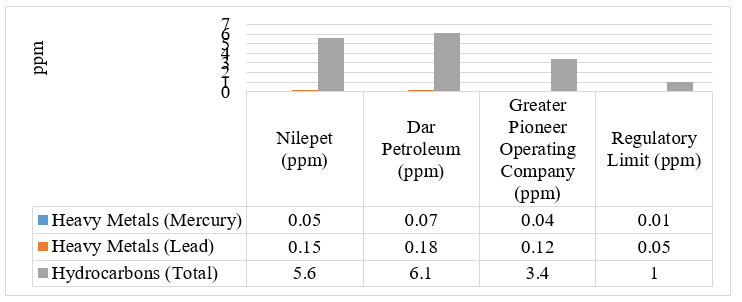
Source: Water Quality Monitoring Report, 2024
Figure 1 above shows that all oil companies in Bentiu contribute to water pollution, with mercury, lead, and hydrocarbons exceeding safe limits. Dar Petroleum records the highest contamination, especially hydrocarbons, indicating poor waste control. Nile Petroleum also surpasses allowable levels for mercury and lead, while Greater Pioneer Operating Company shows relatively lower hydrocarbon pollution but still exceeds metal limits. These findings highlight serious threats to water safety, public health, and the environment. Weak enforcement allows ongoing violations. Stronger monitoring, strict penalties, and adoption of cleaner technologies are urgently needed. Transparent water quality reporting is vital to inform and protect affected communities.
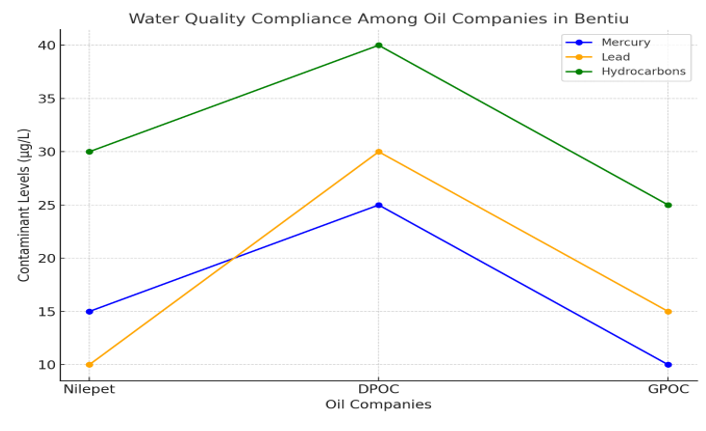
The line chart in figure 2 above, shows water contamination levels from three oil companies in Bentiu—Nile pet, DPOC, and GPOC—measuring mercury, lead, and hydrocarbons. Nile pet had the lowest contamination across all pollutants, indicating better pollution control. DPOC recorded higher levels, especially in hydrocarbons and lead. GPOC had the highest mercury levels, suggesting poor management of toxic discharges. The results highlight inconsistent compliance with water quality standards. Nile pet appears most compliant, while GPOC shows the weakest performance. Stronger regulation and monitoring are needed to address these disparities.
Land and Vegetation Management
Land degradation and vegetation loss are common environmental issues associated with oil and gas production, as land is cleared for drilling sites, infrastructure and waste disposal areas. Oil and gas production often led to habitat destruction, soil erosion and reduced agricultural productivity. To assess the impact of oil and gas production on land and vegetation, GIS-based analysis using the Normalized Difference Vegetation Index (NDVI) can provide valuable insights into the extent of land degradation and vegetation loss.
NDVI maps can be used to track changes in vegetation cover over time, allowing for the identification of areas that have been affected by oil production activities. The analysis of NDVI data can provide a clearer understanding of how oil extraction has contributed to land degradation and vegetation loss in Bentiu.
Table 5: Vegetation Loss and Land Degradation in Bentiu Oil Fields
| Company Name | Pre-Oil NDVI (Average) | Post-Oil NDVI (Average) | Change in Vegetation Cover (%) | Area Affected (km²) |
| Nile pet | 0.72 | 0.58 | 19.4% | 50 |
| Dar Petroleum | 0.65 | 0.52 | 20.0% | 65 |
| Greater Pioneer Operating Company | 0.70 | 0.60 | 14.3% | 45 |
Source: GIS-based Vegetation Analysis, 2024
As shown in Table 5, all three oil companies operating in Bentiu contributed to vegetation loss and land degradation, with varying degrees of impact. Nile pet, with an average pre-oil NDVI of 0.72, experienced a 19.4% decrease in vegetation cover, resulting in a post-oil NDVI of 0.58. This suggests that Nile pet’s oil production activities have caused significant land degradation, although the level of impact is relatively moderate compared to other companies. Dar Petroleum shows the greatest impact, with a 20% reduction in vegetation cover, reflecting the high level of land degradation associated with its operations. Greater Pioneer Operating Company experienced the least vegetation loss, with a 14.3% reduction in vegetation cover.
Challenges in Environmental Governance
Environmental governance in Bentiu faces challenges. Regulatory agencies lack funding, staff, and technical tools, weakening enforcement. Monitoring is poor due to outdated equipment and untrained personnel. Laws exist but enforcement is weak, and penalties are rarely applied. Some oil companies, like Dar Petroleum, frequently violate rules with little consequence. Communities are excluded from decisions on land use, compensation, and waste disposal. Coordination among agencies, oil companies and NGOs are poor, leading to overlapping roles and ineffective responses. These issues hinder efforts to manage environmental risks from oil production.
These challenges mirror governance shortcomings observed in other oil-producing regions, particularly in Sub-Saharan Africa. For example, studies from the Niger Delta in Nigeria highlight similar issues of weak enforcement, limited institutional capacity, and marginalization of local communities, despite the presence of environmental regulations (Obi, 2010; Watts, 2020). This comparison underscores that the environmental governance challenges observed in Bentiu are not unique but are characteristic of oil-producing regions where institutional capacity and accountability mechanisms remain weak.
Conclusion
Environmental governance in Bentiu’s oil and gas sector remains weak despite the existence of legal frameworks and policies. Enforcement is limited by poor institutional capacity, fragmented inter-agency coordination, and inadequate resources. Environmental degradation—particularly water pollution and vegetation loss—continues due to weak oversight and non-compliance by oil companies. Local communities are largely excluded from decision-making, receive little compensation and face worsening living conditions. These gaps undermine the legitimacy and effectiveness of governance efforts. Strengthening institutional capacity, improving coordination, and ensuring community participation are essential for sustainable oil production. Without urgent reforms, environmental harm and social inequities will persist.
Recommendation
Regulatory frameworks should be strengthened and institutional capacity enhanced through better funding, technical training and the recruitment of environmental experts. Regulations must be updated to address emerging challenges, with strict enforcement and penalties for non-compliance. Community participation and transparency should be prioritized by establishing inclusive decision-making platforms and ensuring regular public reporting on environmental issues. Independent and well-resourced mechanisms for monitoring and enforcement should be created to ensure consistent oversight and accountability. Multi-stakeholder collaboration should be promoted among government, oil companies, communities and NGOs to enhance shared responsibility, align efforts, and advance sustainable environmental management.
To address these challenges, several policy actions are recommended. First, institutional capacity within environmental regulatory agencies should be strengthened through targeted funding, technical training, and the provision of modern environmental monitoring tools. Second, clearer coordination mechanisms and legally binding inter-agency frameworks are needed to reduce mandate overlaps and improve accountability among government institutions involved in oil governance. Third, enforcement of environmental regulations must be enhanced by establishing transparent penalty systems, independent audits, and regular compliance reporting for oil companies.
In addition, meaningful community participation should be institutionalized through inclusive consultation processes, grievance redress mechanisms, and fair compensation frameworks that reflect environmental and livelihood losses. Finally, integrating environmental governance reforms within broader post-conflict governance and development strategies is essential to ensure sustainable oil production and equitable socio-economic outcomes. Without urgent and coordinated reforms, environmental degradation and social inequities in Bentiu are likely to persist, limiting the potential of oil resources to contribute to sustainable development in South Sudan.
Acknowledgement
The authors acknowledge the Regional Universities Forum for Capacity Building in Agriculture (RUFORUM) for its support in facilitating this research. Additionally, the authors appreciate the Government of Kenya for its support, which enabled access to necessary data, research facilities and relevant stakeholders. We extend our gratitude to the reviewers for their constructive feedback, which helped improve the quality of this work.
Conflict of Interest: The authors have no conflicts of interest to disclose.
Data Availability: All data used in the research will be provided upon request to the corresponding author.
References
- Adewuyi, A. O., & Oyejide, T. A. (2020). Managing natural resources for sustainable development in Africa: Extractive industries policy approaches and implications. Palgrave Macmillan.
- Byakagaba, P., Mose, L. O., & Ayuya, O. I. (2019). Natural resource endowment and poverty reduction: Evidence from oil-extracting regions in Uganda. Resources Policy, 64, 101497.
- Johnston, D., Johnston, M., & Rogers, T. (2019). International petroleum fiscal systems: Comparative analysis and country case studies. PennWell Corporation.
- Majok, D. K. (2016). Efficiency of environmental governance in oil and gas production areas in Bentiu, Unity State, South Sudan [Master’s thesis, University of Juba].
- Mehlum, H., Moene, K., & Torvik, R. (2022). Institutions and the resource curse. The Economic Journal, 112(484), 1–20.
- Miah, M. D., & Bhuyan, M. R. (2017). Environmental governance in the oil and gas sector: Policy challenges and prospects in Bangladesh. International Journal of Energy Economics and Policy, 7(4), 103–111.
- Müller, A., Hansen, G., & Midttun, A. (2019). Community participation and environmental governance in the Norwegian oil and gas industry. Journal of Environmental Management, 241, 228–237.
- Obi, C. (2010). Oil extraction, environmental governance, and community conflicts in the Niger Delta. Trenton, NJ: Africa World Press.
- O’Faircheallaigh, C. (2013). Extractive industries and Indigenous peoples: A changing dynamic? Journal of Rural Studies, 30, 20–30.
- Owusu, M., & Bekoe, S. O. (2019). Community participation in environmental governance: A case study of Tanzania’s oil and gas industry. Energy Policy, 128, 290–299. William, A. T., & Appiah-Opoku, S. (2018). Environmental governance of oil and gas production in Nigeria and Ghana: Legal and institutional perspectives. Environmental Development, 28, 1–13.
- Roberts, T. (2015). The political economy of oil and gas in sub-Saharan Africa. Routledge.
- Ross, M. L. (2020). The oil curse: How petroleum wealth shapes the development of nations. Princeton University Press.
- Saâdaoui, Z., & Jbir, R. (2021). Resource curse paradox in MENA countries: The role of institutional quality. Resources Policy, 71, 102018.
- Smith, B. (2020). Natural resources and development: Blessing or curse? Annual Review of Resource Economics, 12(1), 281–292.
- Smith, B. (2021). The social impact of oil: From wealth to well-being. Development Studies Quarterly, 58(2), 145–165.
- Stevens, P. (2003). Resource impact: Curse or blessing? A literature survey. Journal of Energy Literature, 9(1), 3–42.
- Watts, M. (2020). Environmental governance in African oil regions: Lessons from the Niger Delta. Journal of Environmental Policy & Planning, 22(6), 789–803. https://doi.org/10.1080/1523908X.2020.1772481
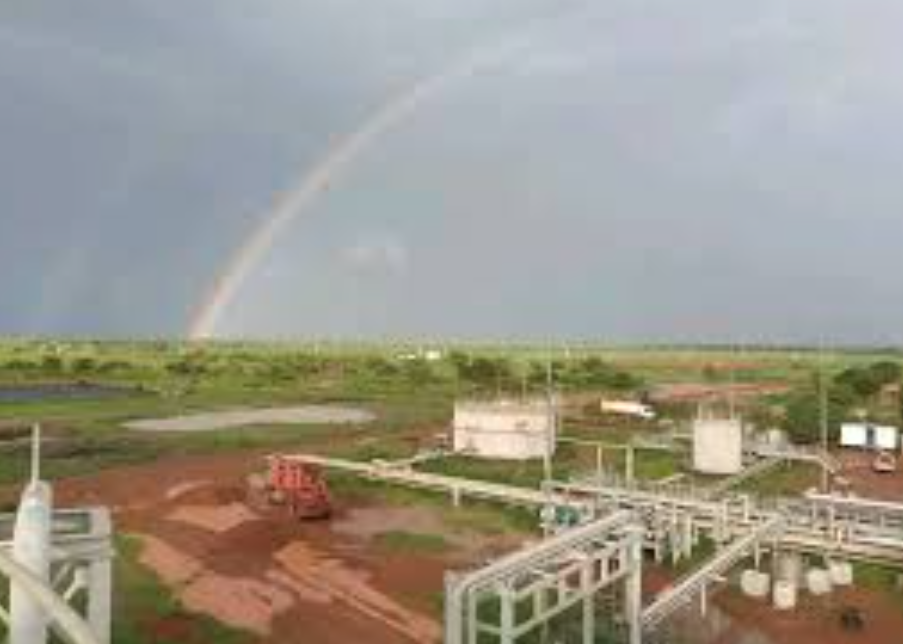
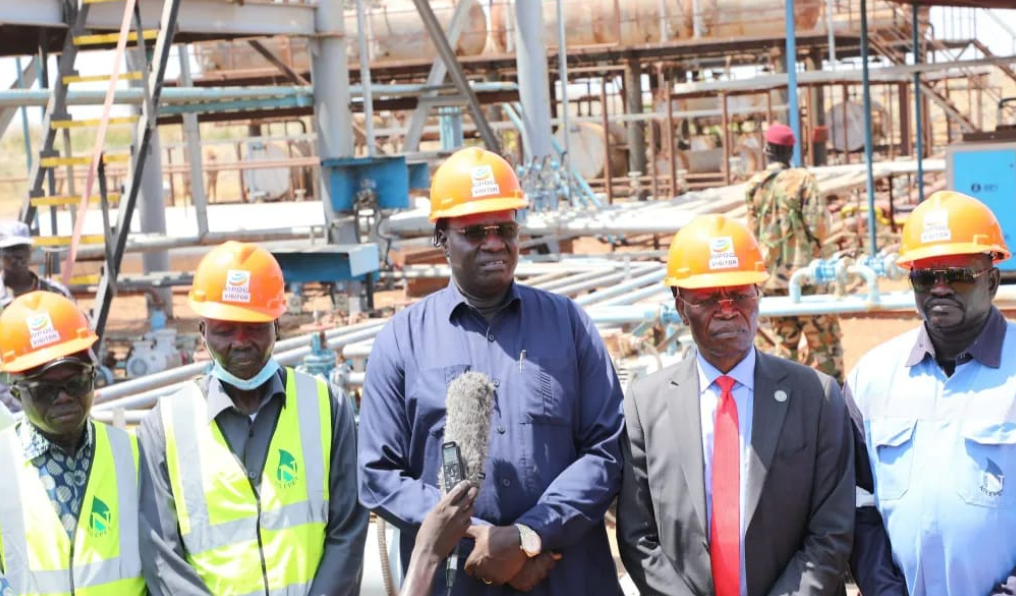
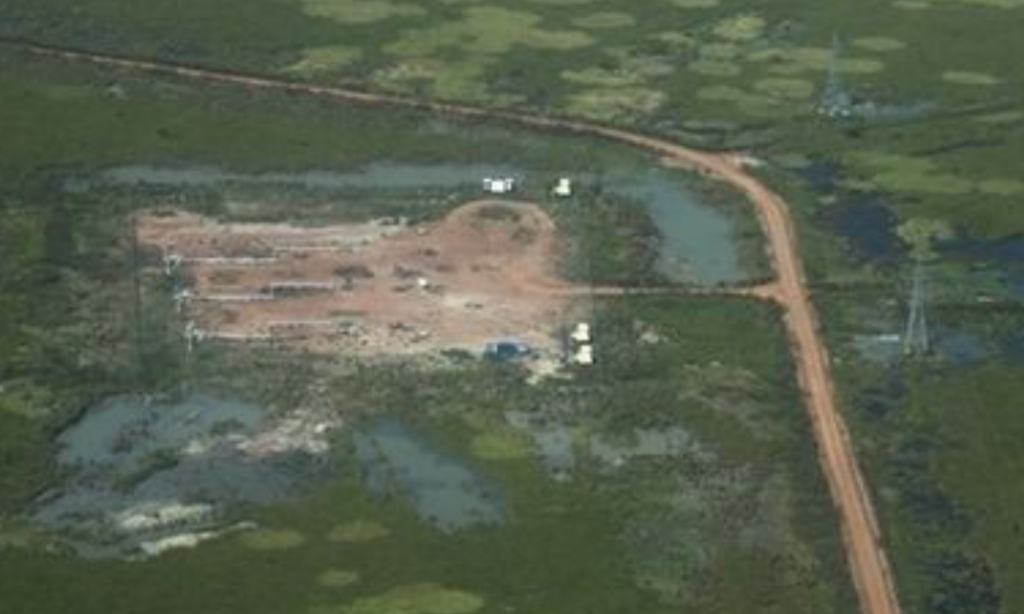
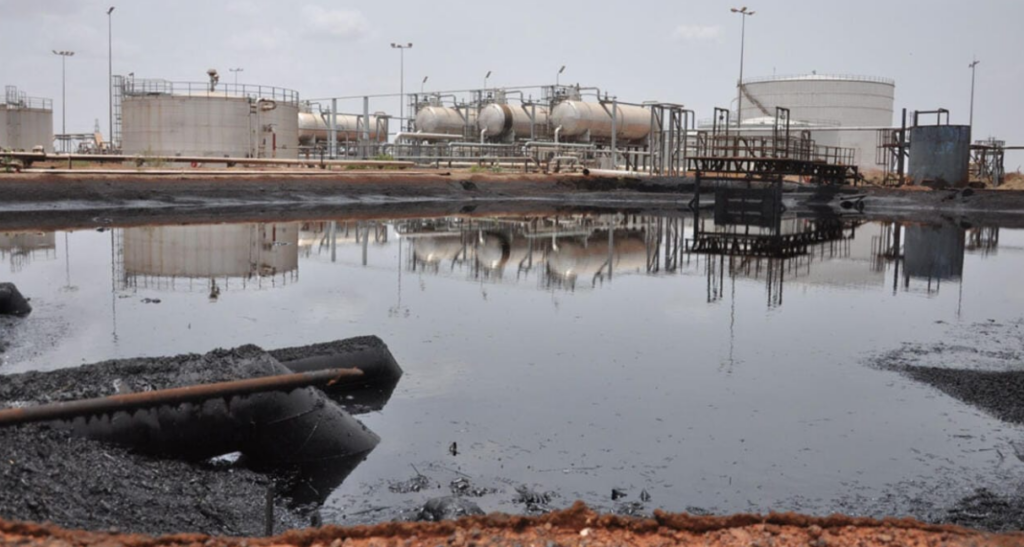
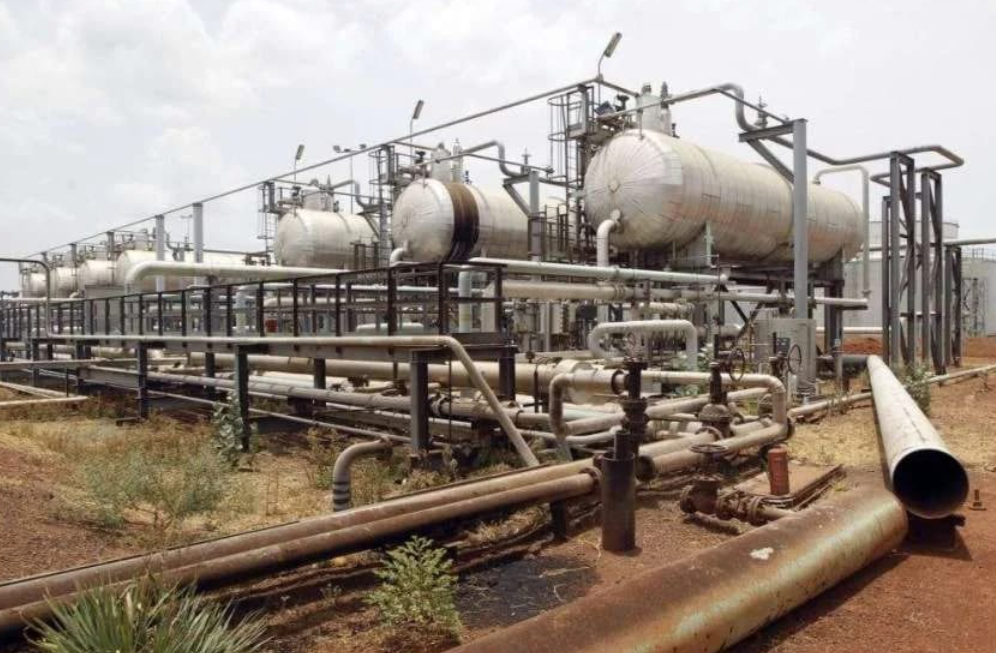
Supplement: Images of the actual Site of work