Comparative Quality of Inactivated Vaccine Emulsions for Nile Tilapia Oreochromis Niloticus in Brazil
Talita Morgenstern*, Leonardo Cericato
*Corresponding author: Talita Morgenstern, MSD Animal Health, São Paulo, SP, Brazil;
Email: talita.morgenstern@msd.com
DOI: 10.37722/JAMBE.2026201
Abstract
Inactivated vaccines are widely used in aquaculture for the prevention of bacterial and viral diseases. The physicochemical quality of the emulsion plays a critical role in vaccine performance, as it influences antigen release kinetics and formulation stability. This study compared four commercial and autogenous vaccines used in Brazil, evaluating viscosity, density, pH, centrifugation stability, water content, and microscopic characteristics. The assays followed the methodologies of the Brazilian Pharmacopoeia (6th edition) and the ANVISA Stability Guide. The AQUAVAC® Strep Sa-Si vaccine demonstrated greater microstructural homogeneity compared to the other evaluated formulations, intermediate viscosity (552.57 cP), near-physiological pH (6.76), and absence of phase separation under centrifugation stress. These characteristics are consistent with a structurally stable emulsion system theoretically associated with controlled antigen release. The findings reinforce the relevance of systematic physicochemical characterization to support quality assurance and performance predictability of inactivated vaccines for tilapia under field conditions.
Keywords
Nile tilapia; inactivated vaccines; emulsion; adjuvants; stability; health.
Introduction
Tilapia farming is one of the fastest-expanding activities in the global aquaculture sector, establishing itself as one of the main sources of sustainable animal protein. The species Oreochromis niloticus (Nile tilapia) stands out for its high environmental adaptability, feed efficiency, and market acceptance, representing more than 60% of global freshwater farmed fish production (FAO, 2023). In Brazil, tilapia is the main farmed fish, with an average annual expansion exceeding 5%, playing a strategic role in food security and the national aquaculture economy (IBGE, 2024).
However, productive advancement is constantly limited by bacterial and viral diseases that cause high mortality rates and significant economic losses. Among these diseases, streptococcosis, caused mainly by Streptococcus agalactiae serotype Ib and Streptococcus iniae, is the most relevant, potentially causing high mortalities above 80% in acute outbreaks and significantly compromising zootechnical performance and animal welfare (Shoemaker et al., 2020).
However, productive advancement is constantly limited by bacterial and viral diseases that cause high mortality rates and significant economic losses. Among these diseases, streptococcosis, caused mainly by Streptococcus agalactiae serotype Ib and Streptococcus iniae, is the most relevant, potentially causing high mortalities above 80% in acute outbreaks and significantly compromising zootechnical performance and animal welfare (Shoemaker et al., 2020).
Watch the Article in Motion
Authors:

Talita Morgenstern

Leonardo Cericato
In this context, vaccination has been established as the most effective and sustainable prophylactic strategy in controlling streptococcosis. Among the available approaches, inactivated vaccines are widely used in aquaculture for their safety, stability, and ease of production, in addition to not involving live organisms, which reduces environmental and health risks (Adams, 2019; Dalmo et al., 2016). The efficacy of these vaccines, however, is strongly related to the quality of the emulsion and the type of adjuvant used, which modulate the intensity and duration of the immunological response (Mutoloki & Evensen, 2020; Tafalla et al., 2014).
The oil emulsion, generally of the water-in-oil (W/O) type, acts as a controlled antigen release system, prolonging immunological stimulation and allowing sustained activation of innate and adaptive immunity (Burakova et al., 2018; Coffman et al., 2010). This characteristic is especially important in fish, whose immune system is evolutionarily primitive, with lower immunological memory capacity and slower adaptive response (Custódio, 2021). Thus, the choice of adjuvant and the physicochemical stability of the emulsion become determining factors for vaccine performance and effective protection throughout the production cycle.
Therefore, the present study aimed to compare the physicochemical and structural properties of different inactivated vaccines against Streptococcus agalactiae serotype Ib available in the Brazilian market, focusing on evaluating emulsion quality, structural stability, and immunological implications associated with vaccine efficacy in farmed tilapia.
Although the protective efficacy of inactivated vaccines in tilapia has been extensively investigated, comparatively little attention has been directed toward systematic evaluation of their physicochemical and structural characteristics. In particular, comparative data regarding the quality of oil-based emulsions from commercial and autogenous vaccines under Brazilian aquaculture conditions remain scarce.
Given that emulsion architecture directly influences antigen release kinetics, tissue interaction, and immunostimulatory dynamics, the absence of standardized physicochemical comparisons represents a relevant knowledge gap. Thus, this study aimed to comparatively assess key stability and structural parameters of inactivated vaccines against Streptococcus agalactiae serotype Ib available in Brazil, providing a technical basis for interpreting potential differences in immunological performance.
Materials and Methods
The assays were conducted at Pharmacontrol Laboratório de Controle de Qualidade Ltda. (São Paulo, Brazil), following the methodologies described in the Brazilian Pharmacopoeia (6th edition, 2019) and the ANVISA Cosmetic Products Stability Guide (2004), adapted for oil-based biological formulations.
A total of four vaccines against Streptococcus agalactiae serotype Ib were evaluated, including two commercial vaccines (AQUAVAC® Strep Sa-Si, MSD Animal Health, and Vaccine A) and two autogenous vaccines (Vaccine B and Vaccine C). The samples were analyzed for the following physicochemical parameters:
The commercial vaccine AQUAVAC® Strep Sa-Si is manufactured under Good Manufacturing Practices (GMP), following standardized industrial protocols that include sterility testing, antigen quantification, batch consistency evaluation, and emulsion stability verification prior to release.
Autogenous vaccines were produced according to Brazilian regulatory guidelines for farm-specific biological products, using inactivated bacterial isolates obtained from field outbreaks. Detailed proprietary formulation data were not available; however, all samples were handled and analyzed under identical laboratory conditions to ensure methodological consistency and minimize analytical bias.
Prior to physicochemical testing, samples were maintained under recommended storage conditions (2–8 °C) and homogenized according to manufacturer instructions to prevent phase stratification artifacts.
Viscosity: determined using a Brookfield rotational viscometer, using standardized spindle and rotation for oil emulsions. Viscosity is one of the main indicators of emulsion rheological stability, directly influencing antigen release, post-vaccination local reaction, and ease of application (Dorota et al., 2014; Aucouturier et al., 2001). In aquatic vaccines, intermediate values indicate balance between stability and fluidity, essential for homogeneous application and adequate immunogenicity.
Density: measured by digital densimeter, expressed in mg/mL, being a parameter associated with the composition and proportion between aqueous and oil phases. Adequate density ensures uniformity in the emulsion, preventing phase separation and particle sedimentation, fundamental aspects for formulation reproducibility and safety (Herbert, 1968; Dalmo et al., 2016).
pH: determined by potentiometry, aiming to evaluate the physiological compatibility of the formulation. pH close to the physiological pH of fish tissues (around 7.0) minimizes local inflammatory reactions and ensures greater comfort in application (Custódio, 2021). Very acidic or alkaline values may indicate system instability and risk of adverse reactions.
Centrifugation: samples were subjected to 3000 rpm for 30 minutes, according to physical stability protocol. This test allows evaluation of emulsion resistance to phase separation and, therefore, its mechanical and thermodynamic stability (Brazilian Pharmacopoeia, 2019). The absence of separation after centrifugation indicates a stable and well-structured emulsion (Aucouturier et al., 2001).
Water content: determined by the Karl Fischer method, expressing the percentage of aqueous phase present in the emulsion. The balance between oil and aqueous phases is crucial for adequate antigen dispersion and emulsion longevity, directly influencing the immunological response (Burakova et al., 2018). Very low contents indicate dense and less fluid formulations, while very high values may favor phase separation and instability.
Optical microscopy: samples from each vaccine were analyzed under optical microscope at 500x magnification, to evaluate homogeneity and average size of oil droplets. The emulsion microstructure is one of the most sensitive quality parameters, as it directly influences antigen release and formulation stability (Dalmo et al., 2016; Ellis, 2021). Emulsions with homogeneous particle distribution indicate better process control and greater immunological consistency (Zheng et al., 2012).
All assays were performed in triplicate, and results were compared according to stability, homogeneity, and physicochemical compatibility criteria established by technical literature for veterinary oil vaccines (Aucouturier et al., 2001; Adams, 2019).
Results and Discussion
Recent developments in adjuvant technology for fish vaccines emphasize the importance of controlling droplet size distribution, oil phase composition, and rheological behavior to optimize antigen presentation and persistence at the injection site (Ribeiro et al., 2023; Mutoloki & Evensen, 2020). Structural stability of W/O emulsions has been associated with prolonged antigen retention and sustained activation of innate immune pathways in teleost fish, whose adaptive immune response develops more gradually when compared to mammals.
The four vaccines showed marked differences in their physicochemical properties, directly reflecting the type of emulsion, adjuvant behavior, and consequently, the immunogenic potential of each formulation.
| Vaccine | MSD AQUAVAC® Strep Sa-Si | Vaccine A | Vaccine B | Vaccine C |
| Viscosity | 552.57 cP | 50.37 cP | 32.67 cP | 862.87 cP |
| Density | 0.9129 mg/mL | 0.9161 mg/mL | 0.8824 mg/mL | 0.9140 mg/mL |
| pH | 6.76 | 7.51 | 5.57 | 6.29 |
| Centrifugation | Homogeneous | Homogeneous | Homogeneous | Non Homogeneous |
| H2O Content | 43.964% | 31.051% | 29.169% | 41.140% |
Table 1 – Physicochemical results of evaluated vaccines
Viscosity measurements were performed at 20 °C to standardize physicochemical comparisons among formulations. Although temperature does not directly affect the immune response, viscosity influences antigen release kinetics and, consequently, the duration of immune stimulation (Allison & Byars, 1994; Aucouturier et al., 2001; Tafalla et al., 2014).
AQUAVAC® Strep Sa-Si (MSD) demonstrated intermediate viscosity (552.57 cP) and high stability, typical characteristics of water-in-oil (W/O) emulsions. This type of emulsion is widely recognized for promoting slow and continuous release of antigens, resulting in prolonged immune system stimulation and more lasting formation of protective antibodies (Aucouturier et al., 2001; Dalmo et al., 2016; Tafalla et al., 2014).
Furthermore, the near-physiological pH (6.76) and balanced water content (43.96%) suggest good tissue compatibility and stability, minimizing local inflammatory reactions and ensuring better application comfort — fundamental aspects for vaccine management in intensive fish farms (Custódio, 2021; Mutoloki & Evensen, 2020).
Vaccines A and B, with oil-in-water (O/W) emulsion, showed lower viscosity (50.37 and 32.67 cP, respectively) and higher water content. Although they present greater fluidity and ease of application, these formulations tend to induce a shorter-duration immune response, since antigens are rapidly released and immune stimulation is more transient (Allison & Byars, 1994; Burakova et al., 2018). This behavior is associated with lower antigen persistence at the inoculation site, which reduces efficacy in high infection pressure environments, as occurs in tropical tilapia farming (Shoemaker et al., 2020).
Vaccine C, in turn, showed high viscosity (862.87 cP) and denser structure, which may hinder practical application and compromise homogeneous antigen dispersion (Herbert, 1968; Dorota et al., 2014). Excessive viscosity, besides hindering administration, can generate greater local inflammatory reaction and impair antigenic absorption kinetics (Zheng et al., 2012).
Overall, the AQUAVAC® Strep Sa-Si vaccine formulation demonstrated a balanced profile of viscosity, stability and pH, resulting in a stable emulsion with structural characteristics theoretically associated with sustained immune stimulation. The emulsion technology employed favors the formation of a persistent antigenic depot, continuously stimulating macrophages and antigen-presenting cells, which enhances innate and adaptive immunity in fish — a group with an evolutionarily more primitive immune system and limited immune memory (Coffman et al., 2010; Tafalla et al., 2014).
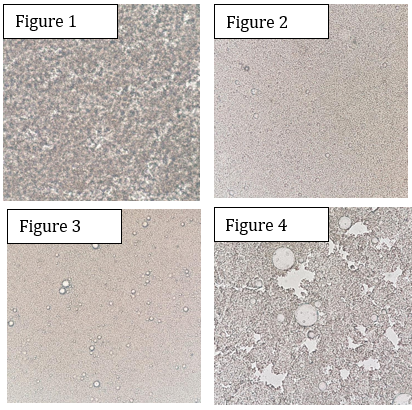
Figure 2 – Optical Microscopy 500x – vaccine a
Figure 3 – Optical Microscopy 500x – vaccine b
Figure 4 – Optical microscopy 500x – Vaccine C
Microscopic analyses performed under 500x magnification revealed marked differences in the microstructure of the evaluated emulsions. Images of AQUAVAC® Strep Sa-Si showed high homogeneity, without apparent oil globules, suggesting uniform dispersion of the aqueous phase in the oil matrix — a typical characteristic of stable water-in-oil (W/O) emulsions.
According to Aucouturier et al. (2001) and Dalmo et al. (2016), the homogeneity of distribution between emulsion phases is a determining factor for the physicochemical and immunological stability of the vaccine, as it ensures controlled antigen release and lower risk of coalescence, avoiding phase separation and formulation degradation. This stable microscopic structure enables the formation of a persistent antigenic reservoir, promoting continuous stimulation of antigen-presenting cells and a more lasting immune response (Coffman et al., 2010; Tafalla et al., 2014).
In contrast, in vaccines A, B and C, dispersed and heterogeneous oil globules were observed, showing lower structural homogeneity. The occurrence of larger and irregular particles indicates emulsion instability, which can lead to rapid and uncontrolled antigen release (Dorota et al., 2014). Such behavior compromises immunogenicity, as it reduces antigenic exposure time and limits sustained immune system activation (Herbert, 1968; Zheng et al., 2012).
These observations corroborate the findings of Ellis (2021), who highlighted that more homogeneous emulsions tend to generate a more balanced immune response and fewer local reactions, while unstable emulsions increase the likelihood of intense tissue inflammation and short-duration immune response.
Therefore, the micrograph of AQUAVAC® Strep Sa-Si vaccine demonstrates good control of the emulsification process, ensuring uniform phase distribution and consistent droplet size, elements directly related to vaccine performance efficacy and safety (Aucouturier et al., 2001; Dalmo et al., 2016).
In intensive tilapia production systems, particularly under tropical conditions where elevated temperatures accelerate metabolic rates and immune turnover, vaccine formulations capable of maintaining structural stability and controlled antigen release may contribute to more consistent protective responses. Although direct efficacy correlations were not evaluated in this study, the physicochemical parameters analyzed provide relevant indicators for predicting formulation performance under field conditions.
Limitations and Future Perspectives
This investigation was limited to physicochemical and microscopic characterization of vaccine emulsions and did not include in vivo immunogenicity, serological evaluation, or controlled challenge assays. Therefore, the immunological implications discussed are based on established theoretical associations between emulsion properties and antigen release dynamics.
Future studies integrating physicochemical profiling with immunological endpoints, including antibody titers, cellular response markers and field protection data, are necessary to quantitatively establish the relationship between formulation characteristics and long-term efficacy in Nile tilapia production systems.
Conclusion
The comparative analysis demonstrated measurable differences in viscosity, water content, pH, centrifugation stability and microstructural homogeneity among the evaluated inactivated vaccines. These physicochemical parameters are directly associated with emulsion architecture and may influence antigen release kinetics, tissue interaction and persistence at the injection site.
Among the formulations analyzed, AQUAVAC® Strep Sa-Si exhibited an intermediate viscosity profile, near-physiological pH and a homogeneous W/O microstructure without evident phase separation under centrifugation stress. These characteristics are consistent with a stable depot-forming emulsion system, theoretically favoring controlled antigen release and sustained immune stimulation.
Although in vivo efficacy was not assessed in this study, the structural and rheological profile observed suggests that well-controlled emulsion parameters may contribute to formulation consistency and predictable biological performance.
The incorporation of systematic physicochemical characterization into vaccine evaluation protocols represents an important complementary strategy to immunological and field efficacy studies, supporting quality assurance and formulation standardization in tilapia vaccine development.
References
- Adams, A. (2019). Progress, challenges and opportunities in fish vaccine development. Fish & Shellfish Immunology, 90, 210–214.
- Allison, A. C., & Byars, N. E. (1994). Immunological adjuvants: desirable properties and side-effects. Vaccine, 12(7), 653–661.
- Aucouturier, J., Dupuis, L., & Ganne, V. (2001). Adjuvants designed for veterinary and human vaccines. Vaccine, 19, 2666–2672.
- Burakova, Y., Madeira, R., McVey, S., Schlup, J. R., & Shi, J. (2018). Adjuvants for animal vaccines. Immunology Viral, 31(1), 12–25.
- Custódio, B. B. (2021). Adjuvants and route of administration in vaccine development. University of Lisbon, Faculty of Pharmacy.
- Dorota, M., Krasucka, K., Kos, A. D., & Cybulski, W. (2014). Determination of viscosity and density of veterinary vaccines. Acta Poloniae Pharmaceutica, 71(6), 1090–1094.
- Ellis, A. E. (2021). Fish vaccination: past, present and future. Aquaculture, 540, 736749.
- FAO. (2023). The State of World Fisheries and Aquaculture 2023. Food and Agriculture Organization of the United Nations.
- Herbert, W. J. (1968). The mode of action of mineral-oil emulsion adjuvants on antibody production in mice. Immunology, 14(3), 301–318.
- Mutoloki, S., & Evensen, Ø. (2020). Fish vaccine adjuvants: recent developments and future perspectives. Fish & Shellfish Immunology, 98, 1072–1084.
- Ribeiro, M. C., Silva, J. L., & Pereira, R. A. (2023). Advances in adjuvant technology for aquaculture vaccines. Frontiers in Immunology, 14, 1160842.
- Shoemaker, C. A., Klesius, P. H., & Evans, J. J. (2020). Streptococcal diseases in tilapia: epidemiology and prevention through vaccination. Journal of Fish Diseases, 43(3), 231–245.
- Tafalla, C., Bøgwald, J., & Dalmo, R. A. (2014). Adjuvants and immunostimulants in fish vaccines: current knowledge and future perspectives. Fish & Shellfish Immunology, 38(1), 1–8.